
How High Should a Pendant Light Hang Above a Dining Table?
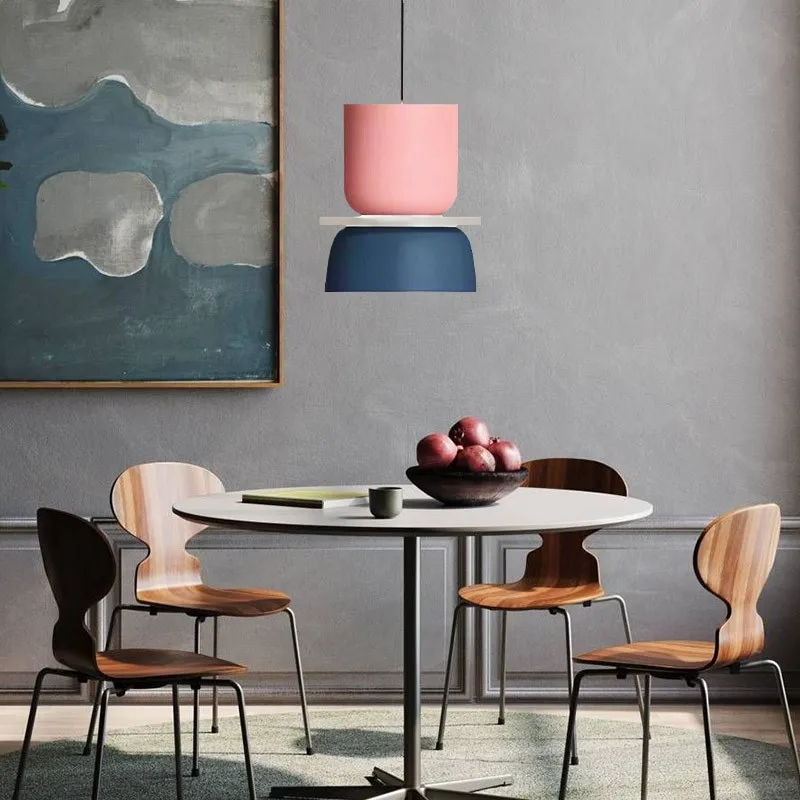
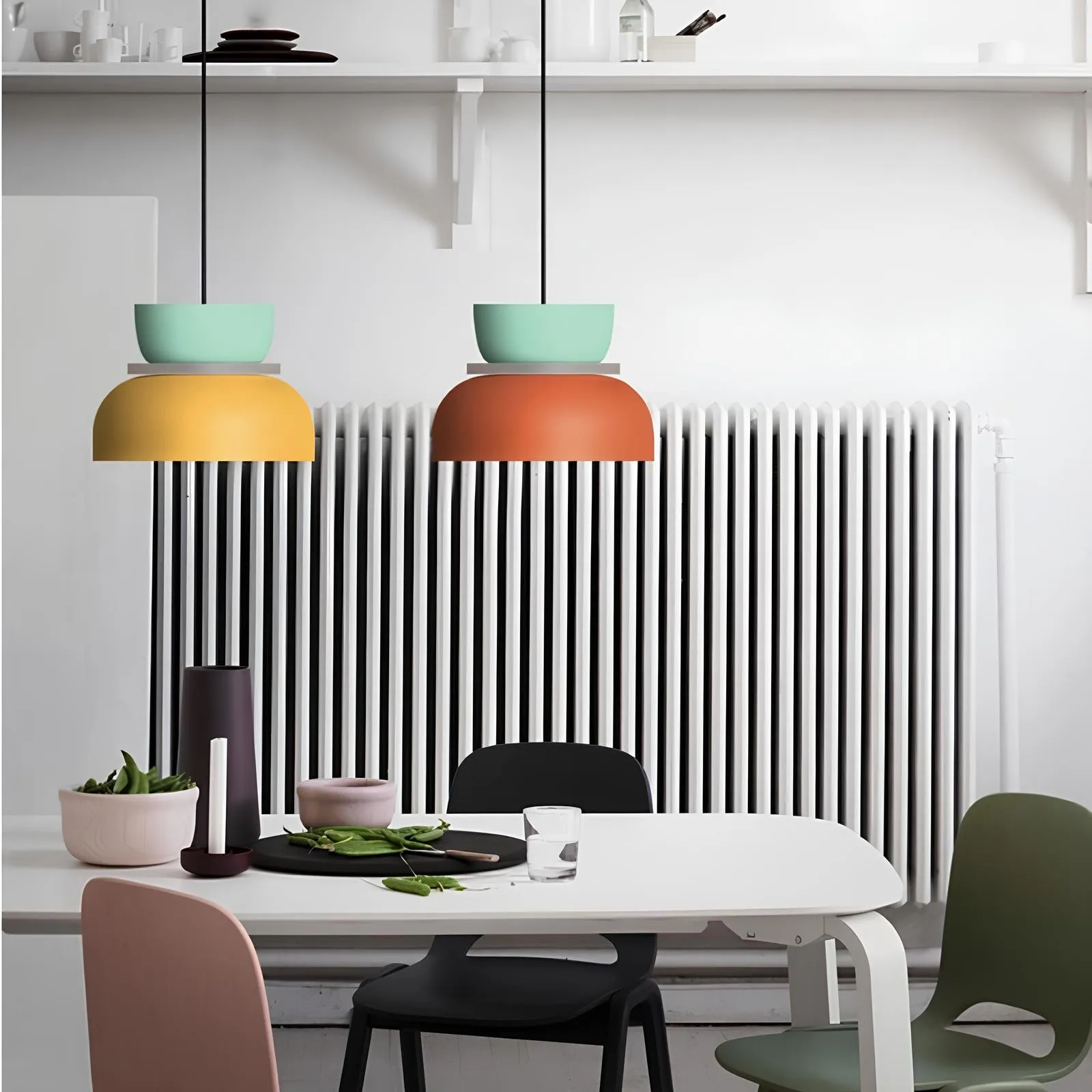
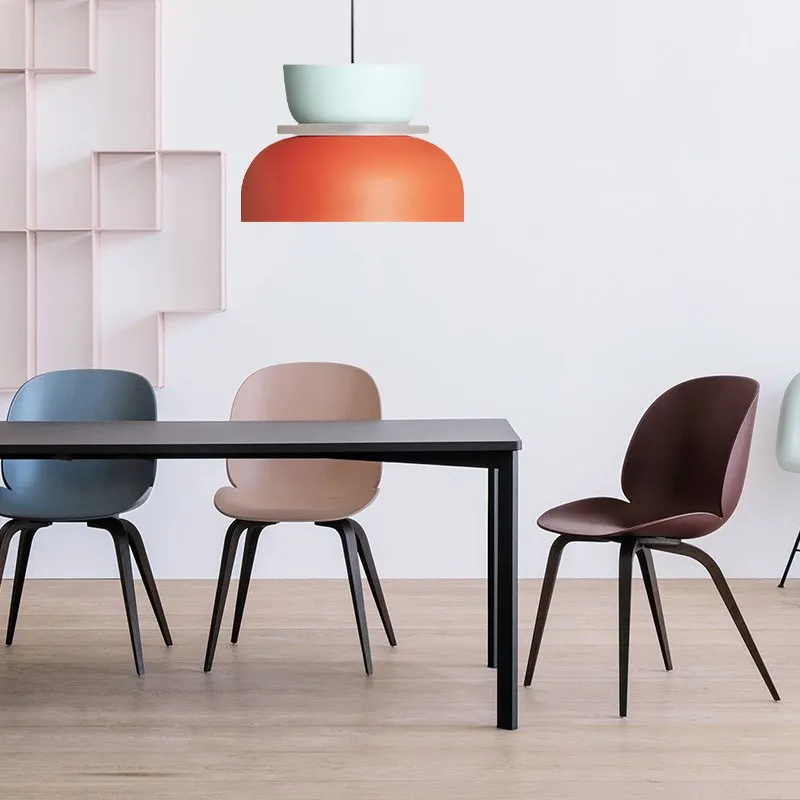
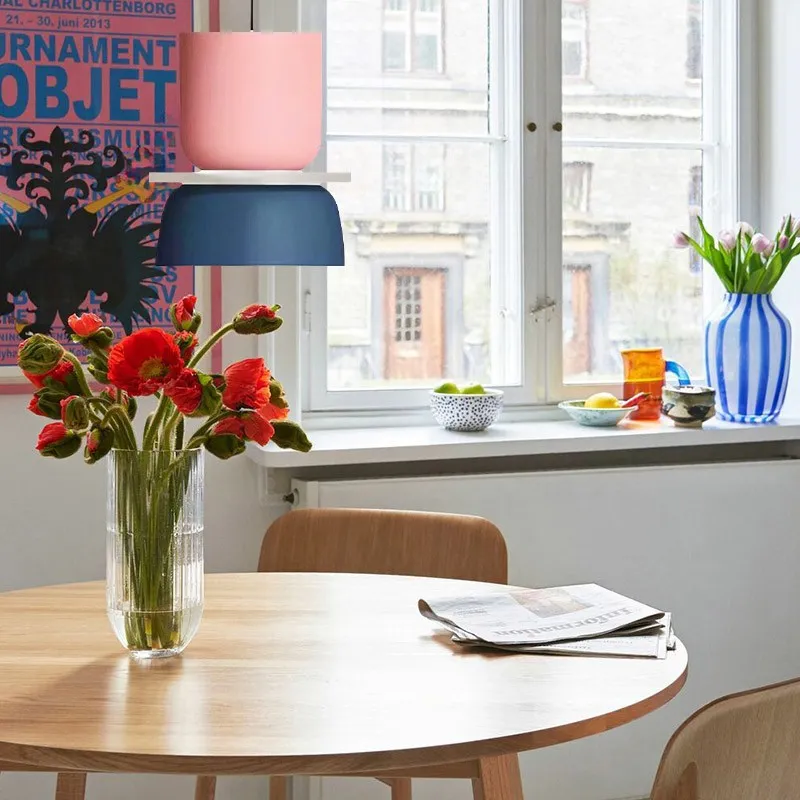
The short answer: start with 70–85 cm from the tabletop to the bottom of the pendant. This is a dependable European starting range, but the final height should also protect sightlines, account for the fixture’s depth and work with the people using the room.
Getting this measurement right changes how a dining room feels. A pendant that is too high can make the table look disconnected and leave the centre of the room dim. One that is too low can interrupt conversation, glare into your eyes or become an everyday head-bump risk. This guide gives you a number to work from, then shows how to adjust it without relying on a rigid rule.
Measure from the tabletop, not from the ceiling
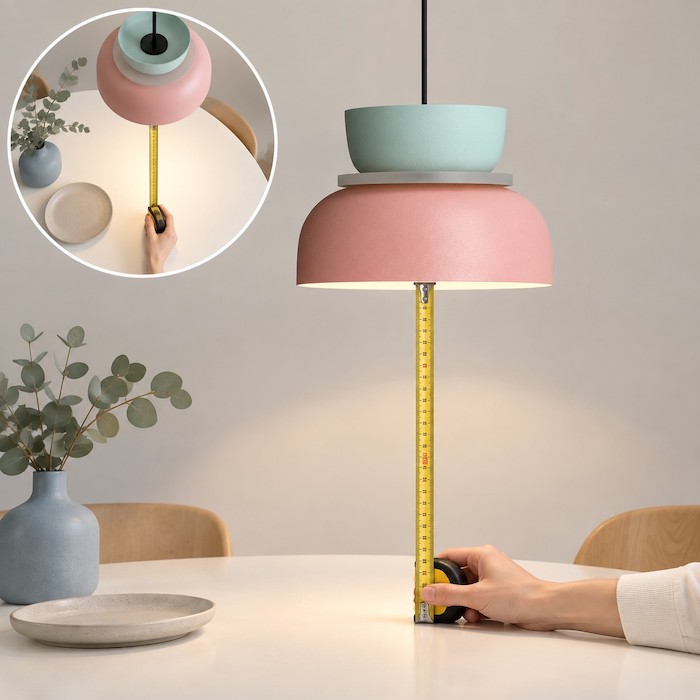
Use a tape measure vertically from the finished tabletop to the lowest point of the shade, diffuser or bulb. Mark 70 cm, 75 cm and 85 cm on the tape so you can test a range before drilling. Measuring from the ceiling is misleading because two rooms with the same ceiling height can have very different tables and pendant drops.
For a typical 240–270 cm ceiling, a pendant bottom around 150–170 cm above the floor often feels comfortable. That floor measurement is only a cross-check; the tabletop-to-fixture distance is the decision that controls conversation and light on the table.
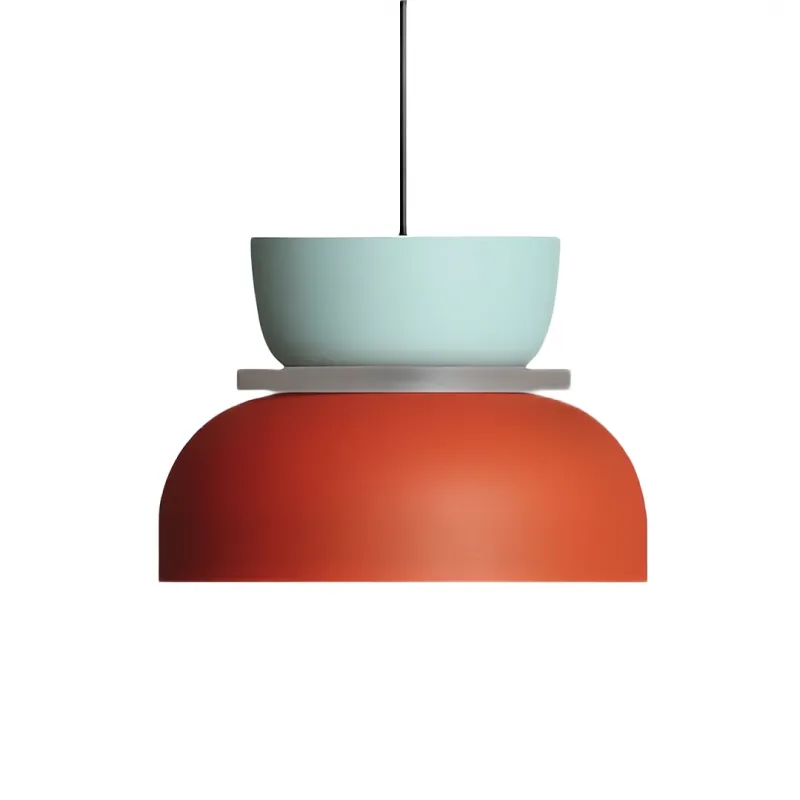
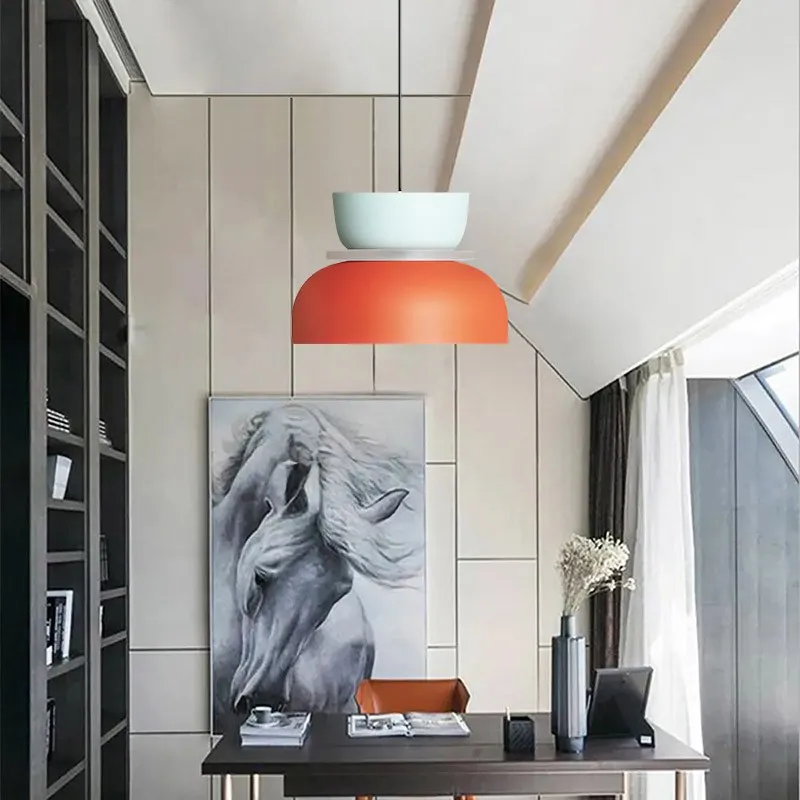
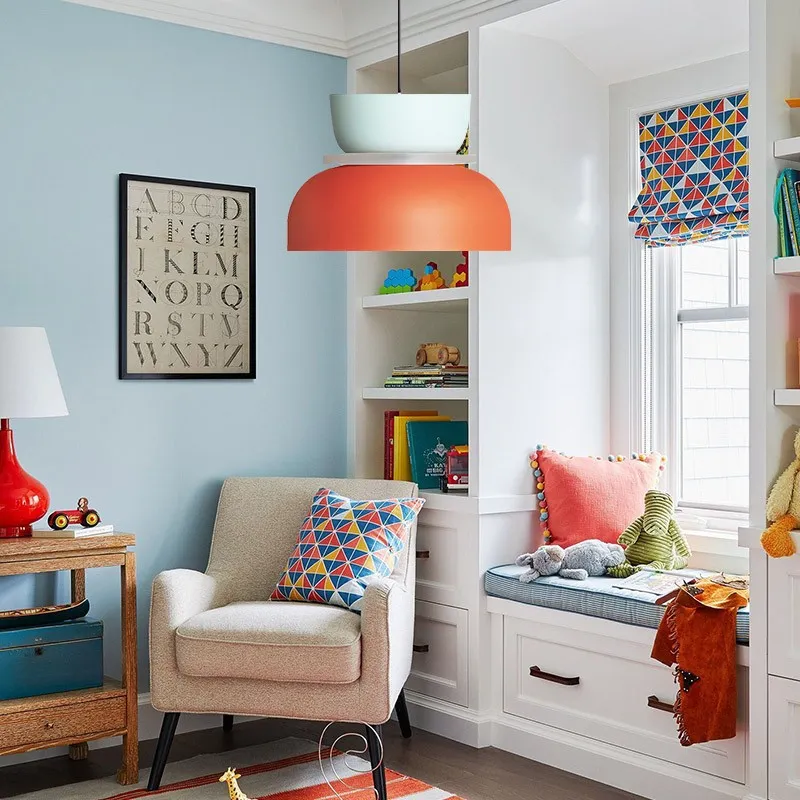
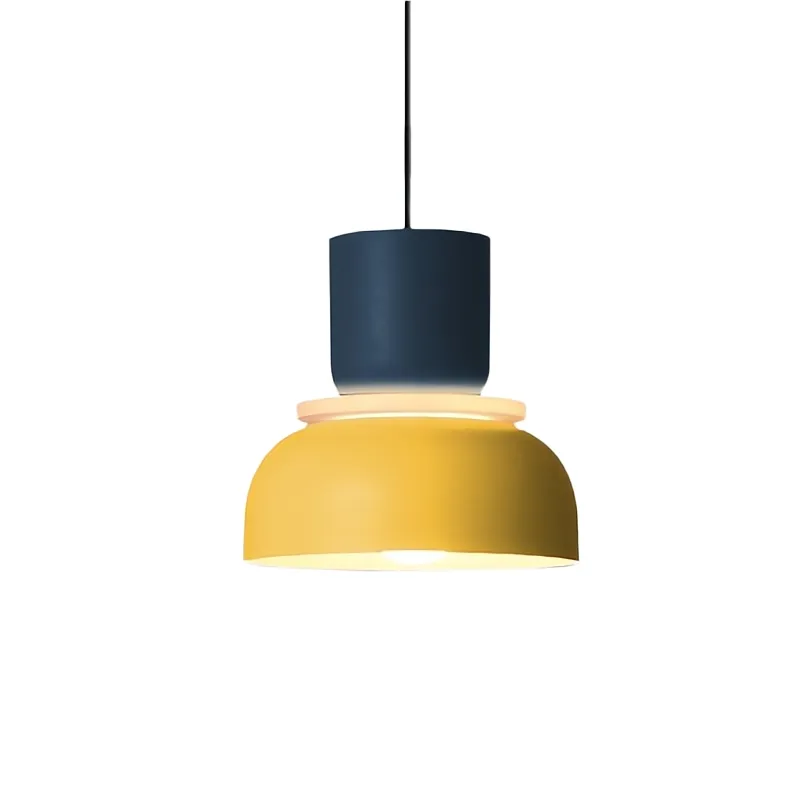
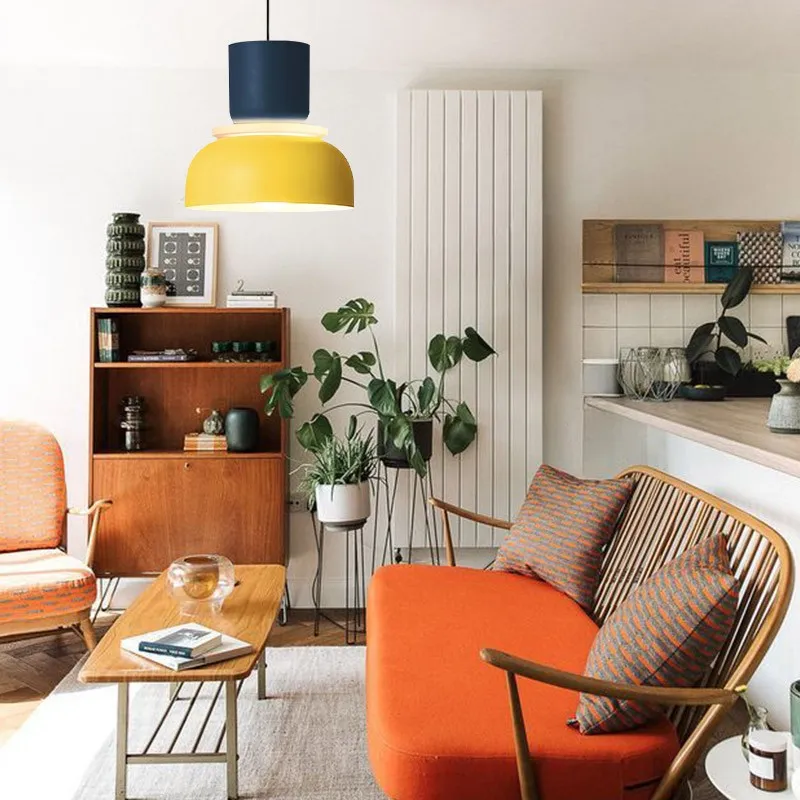
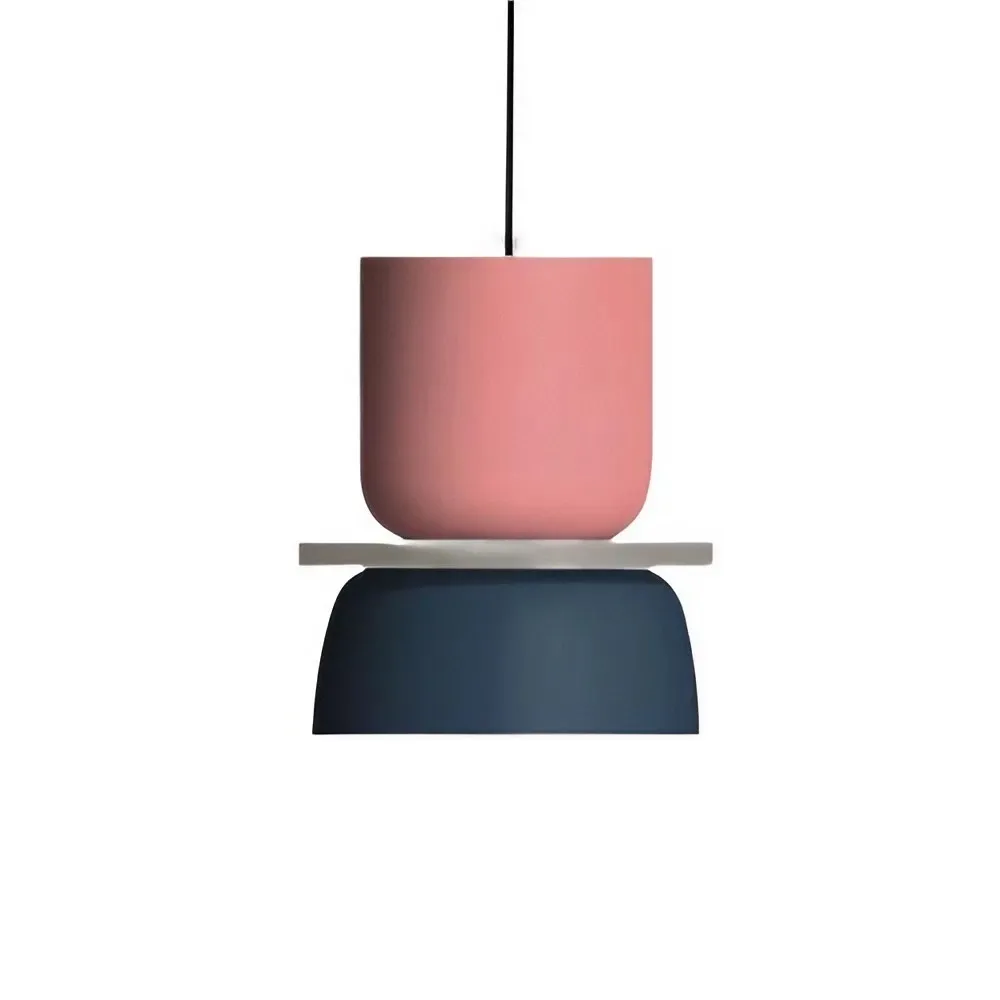
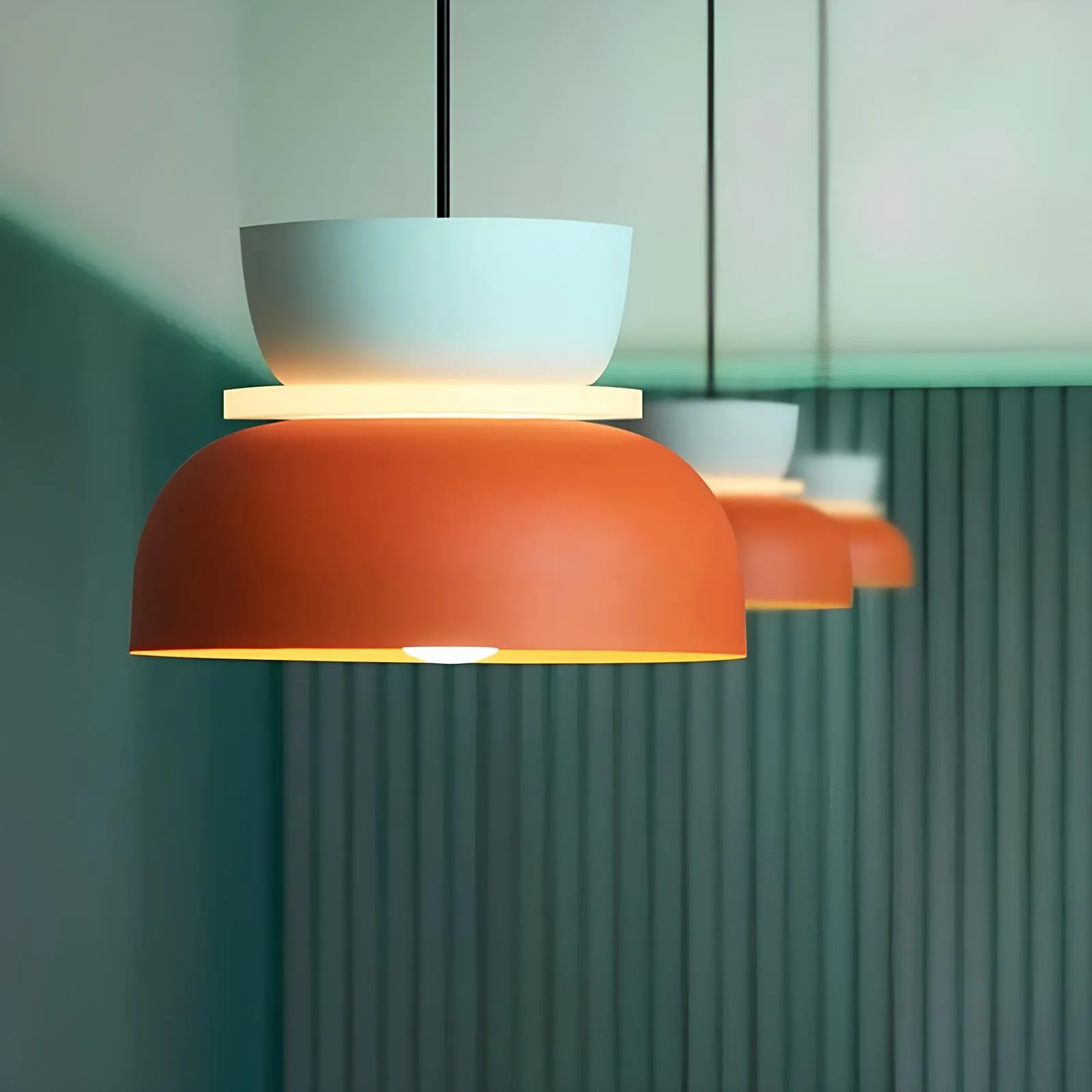
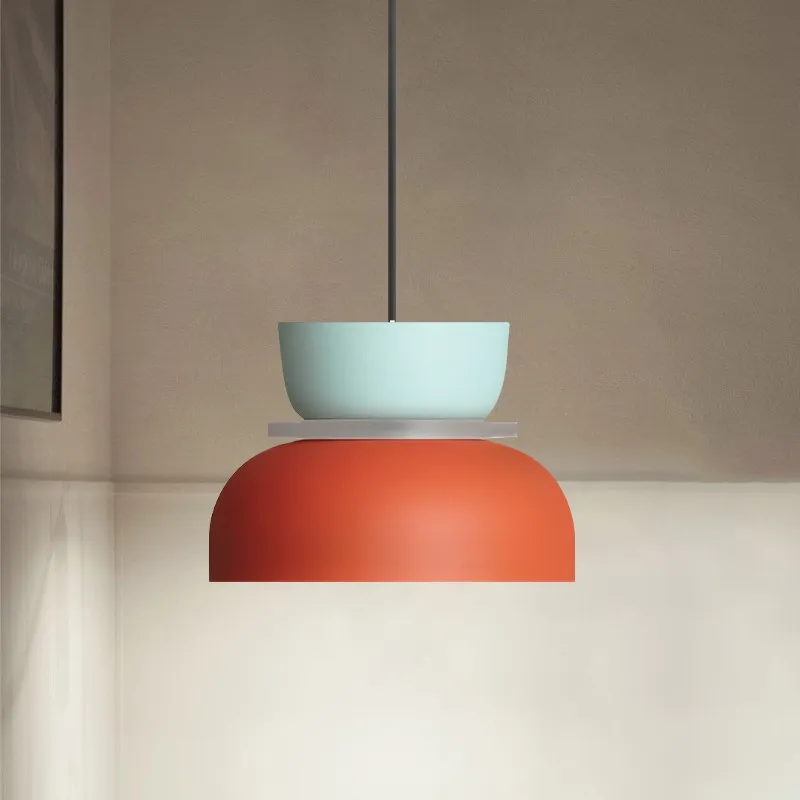
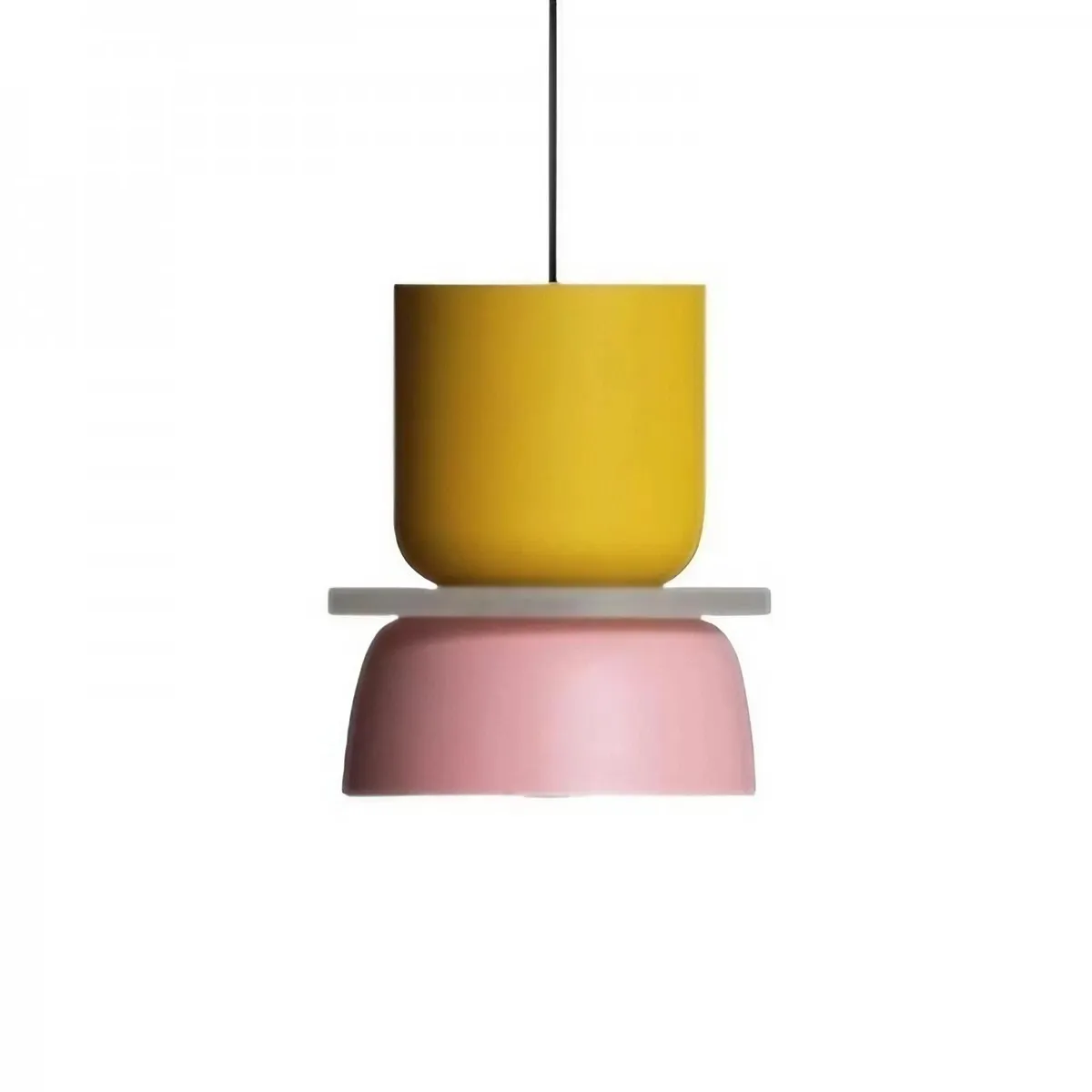
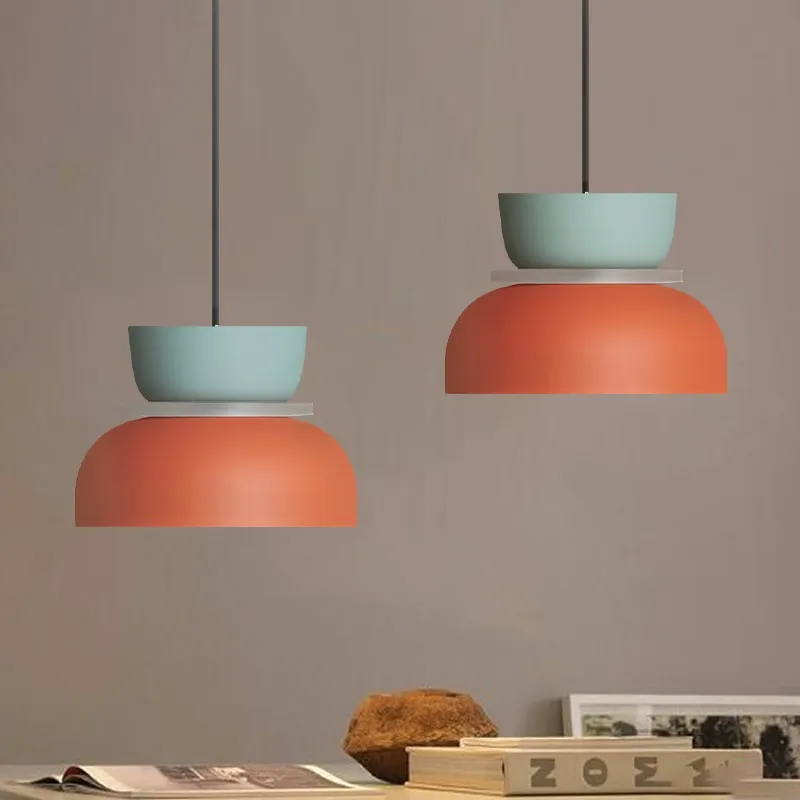
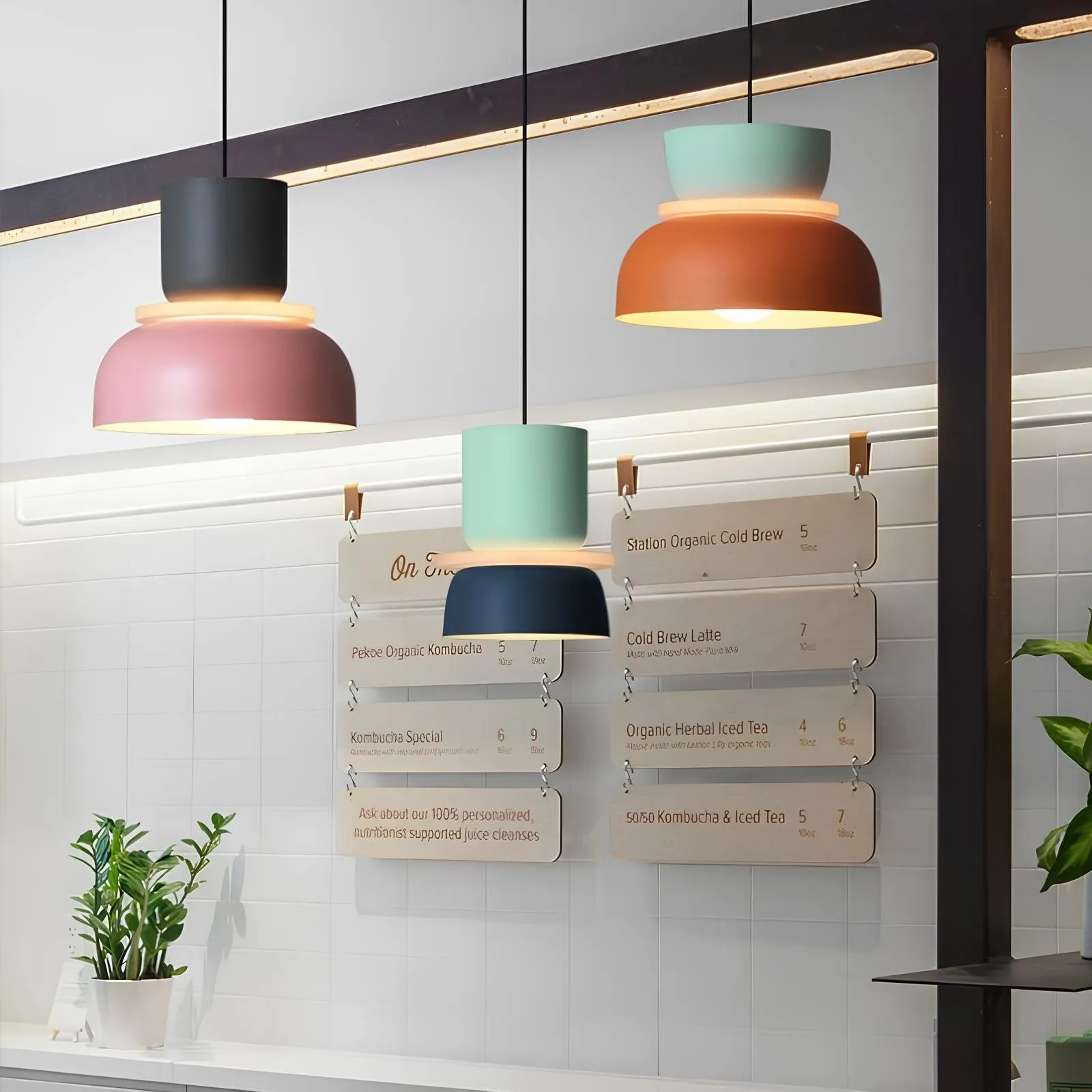
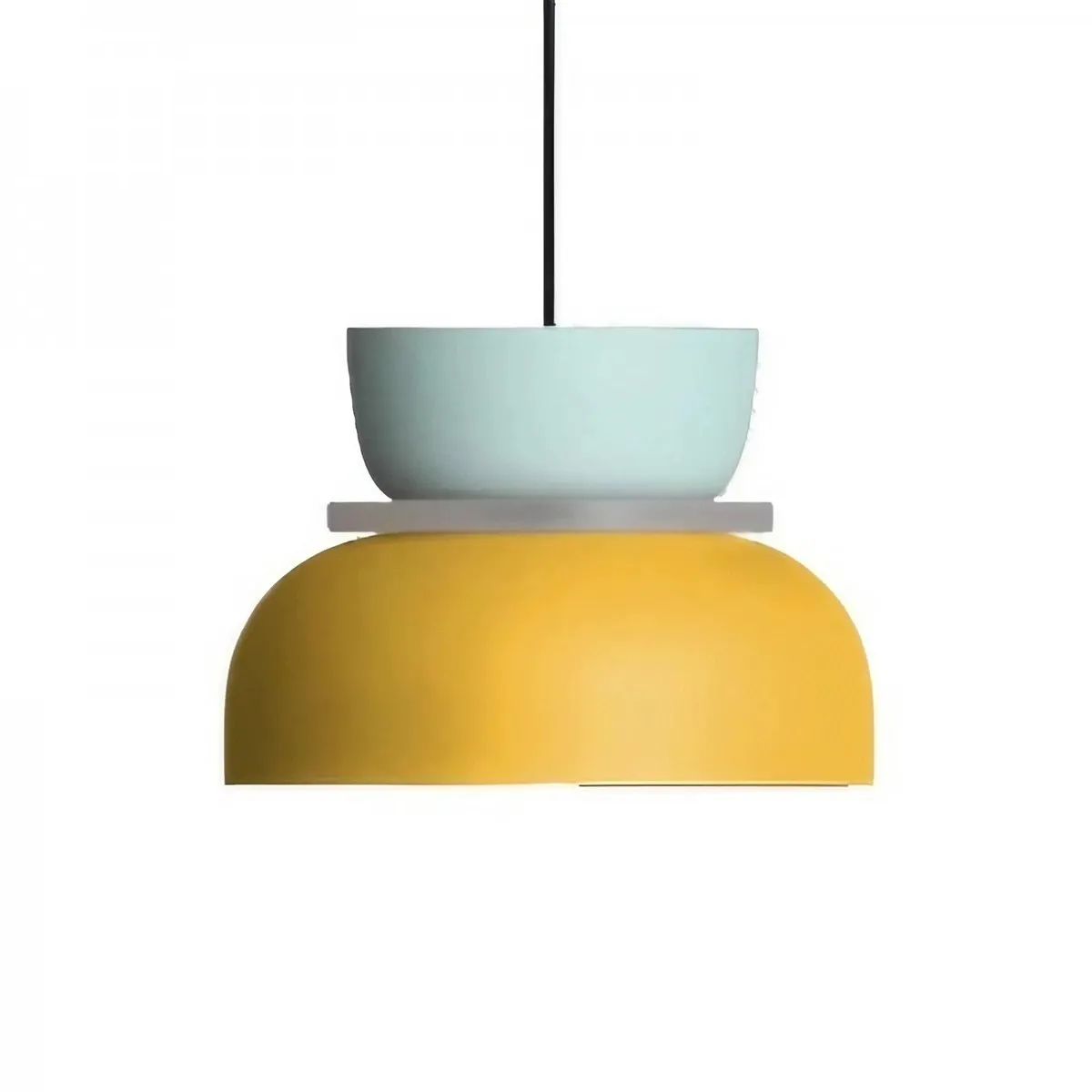
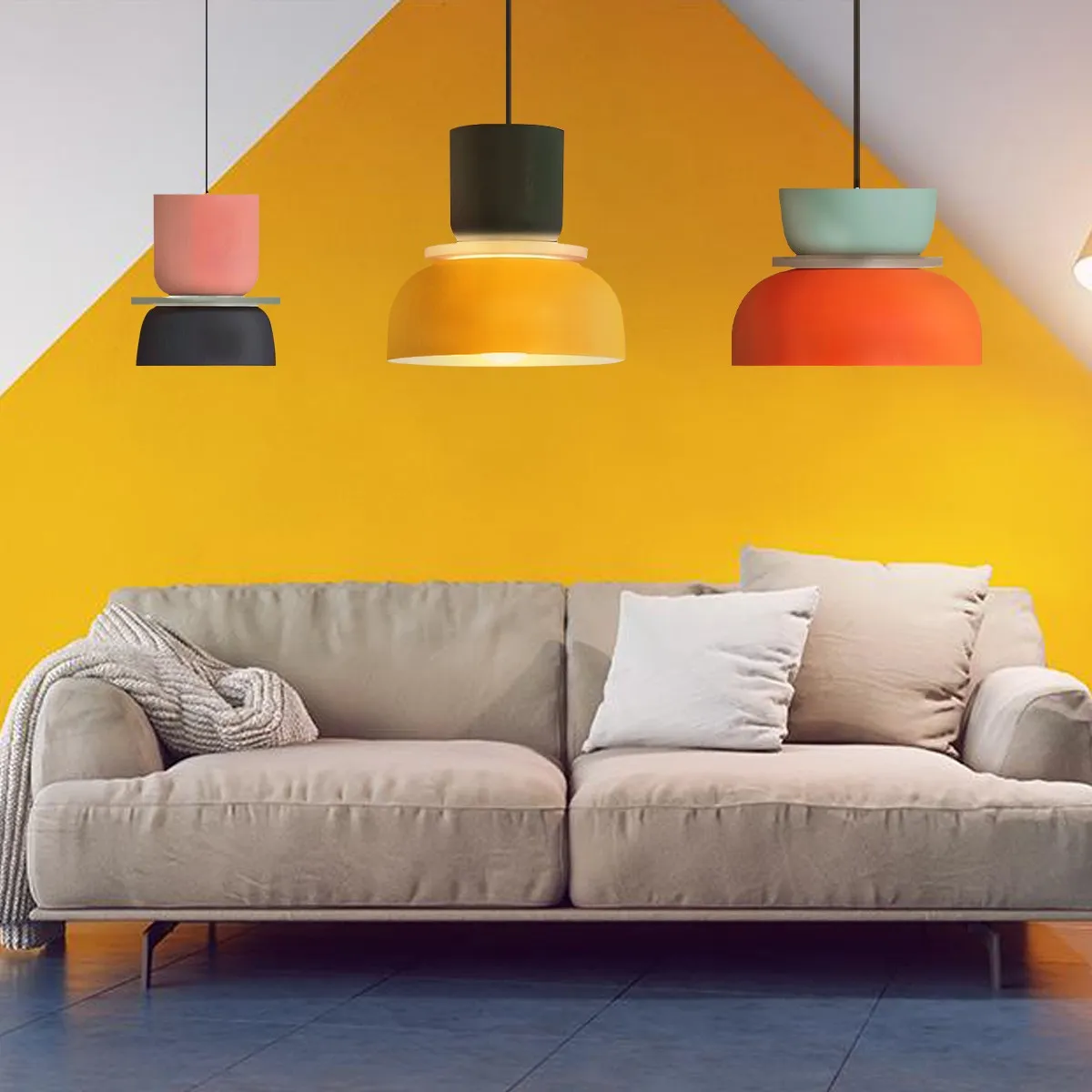
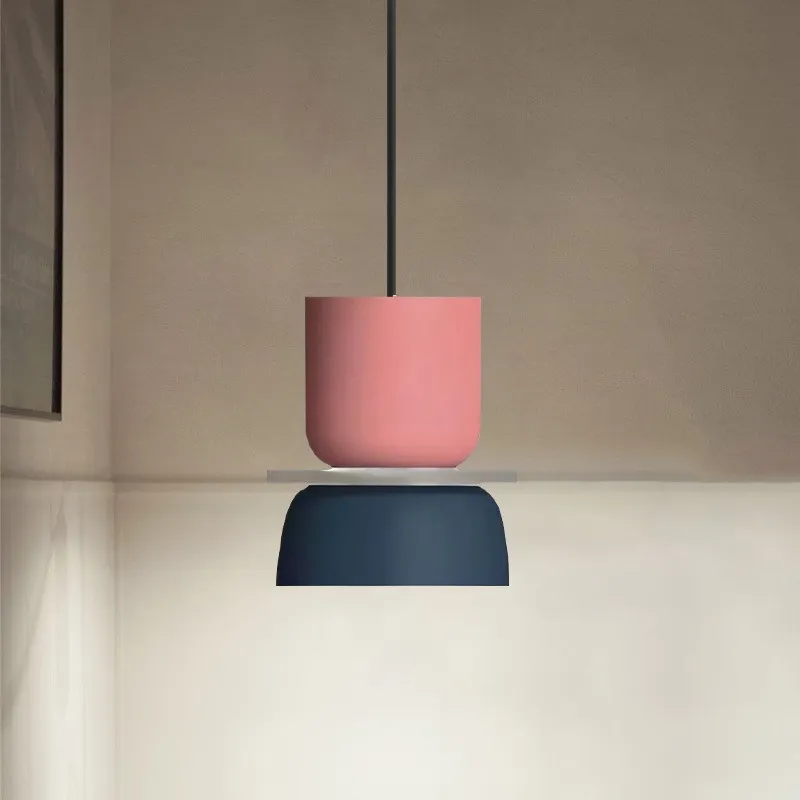
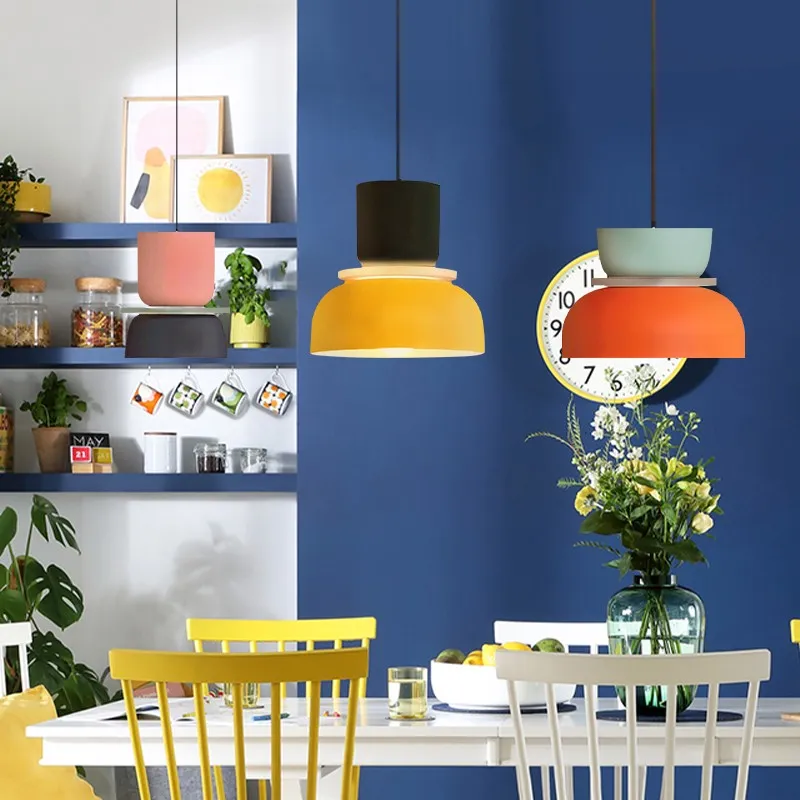
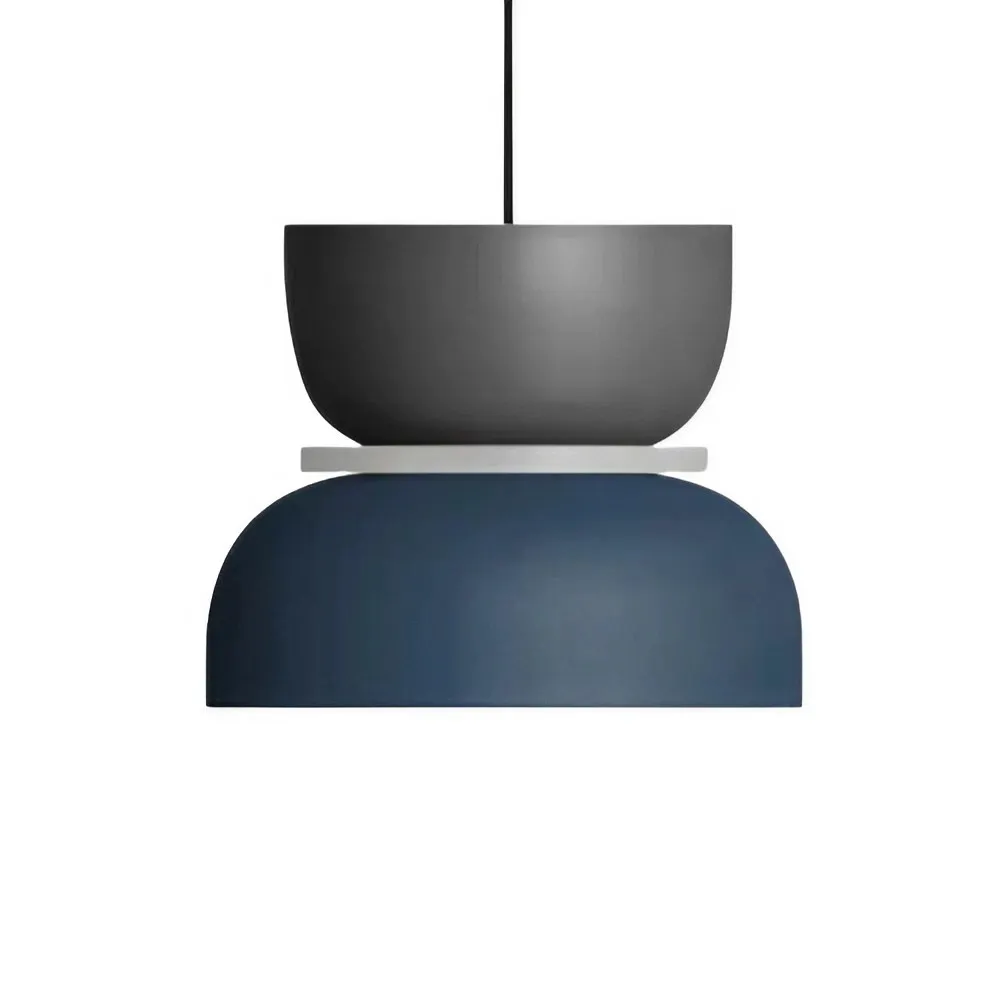
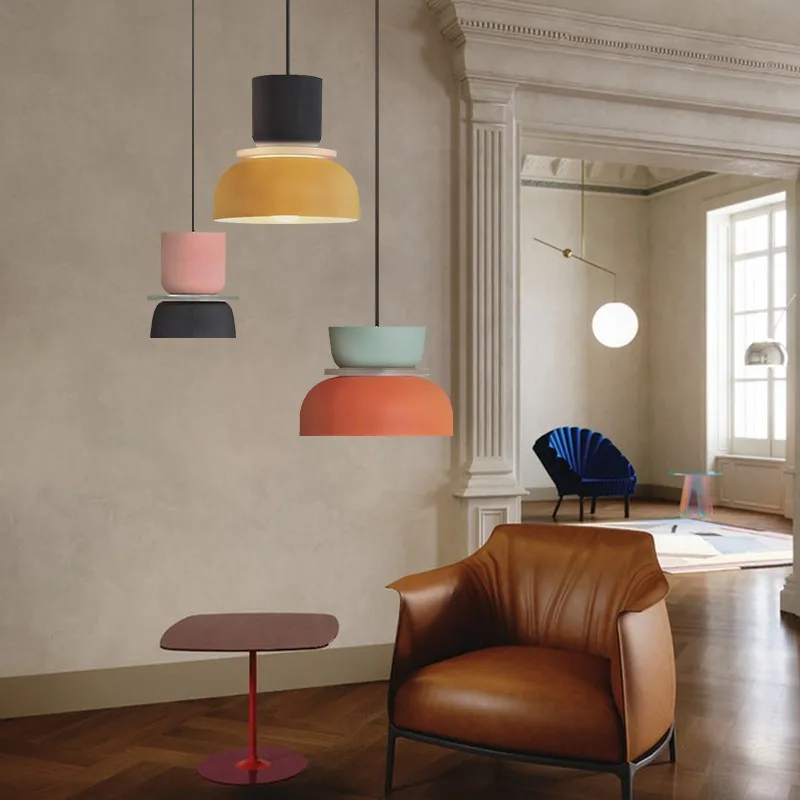
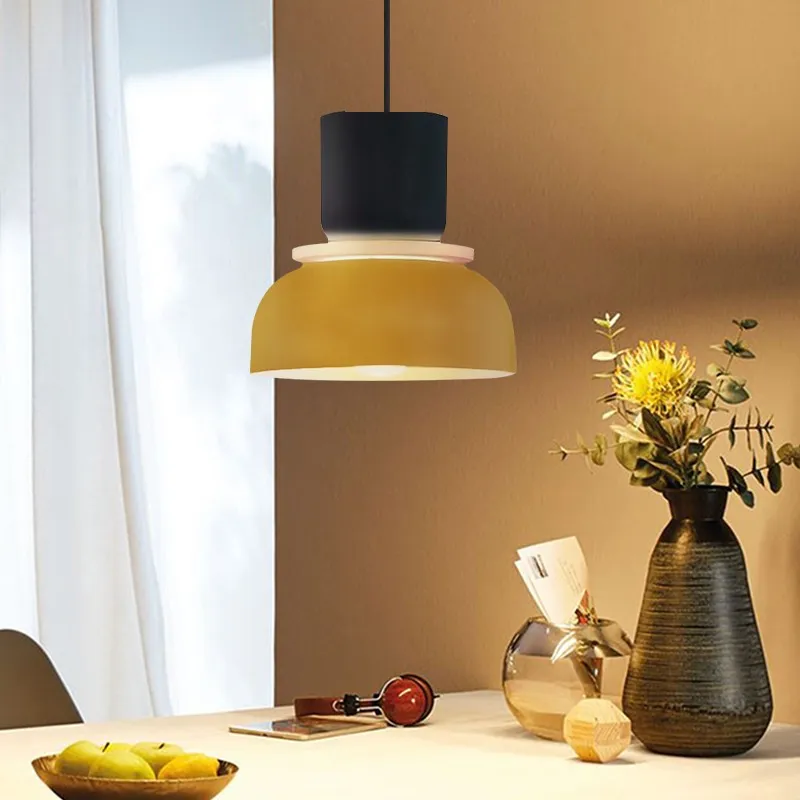
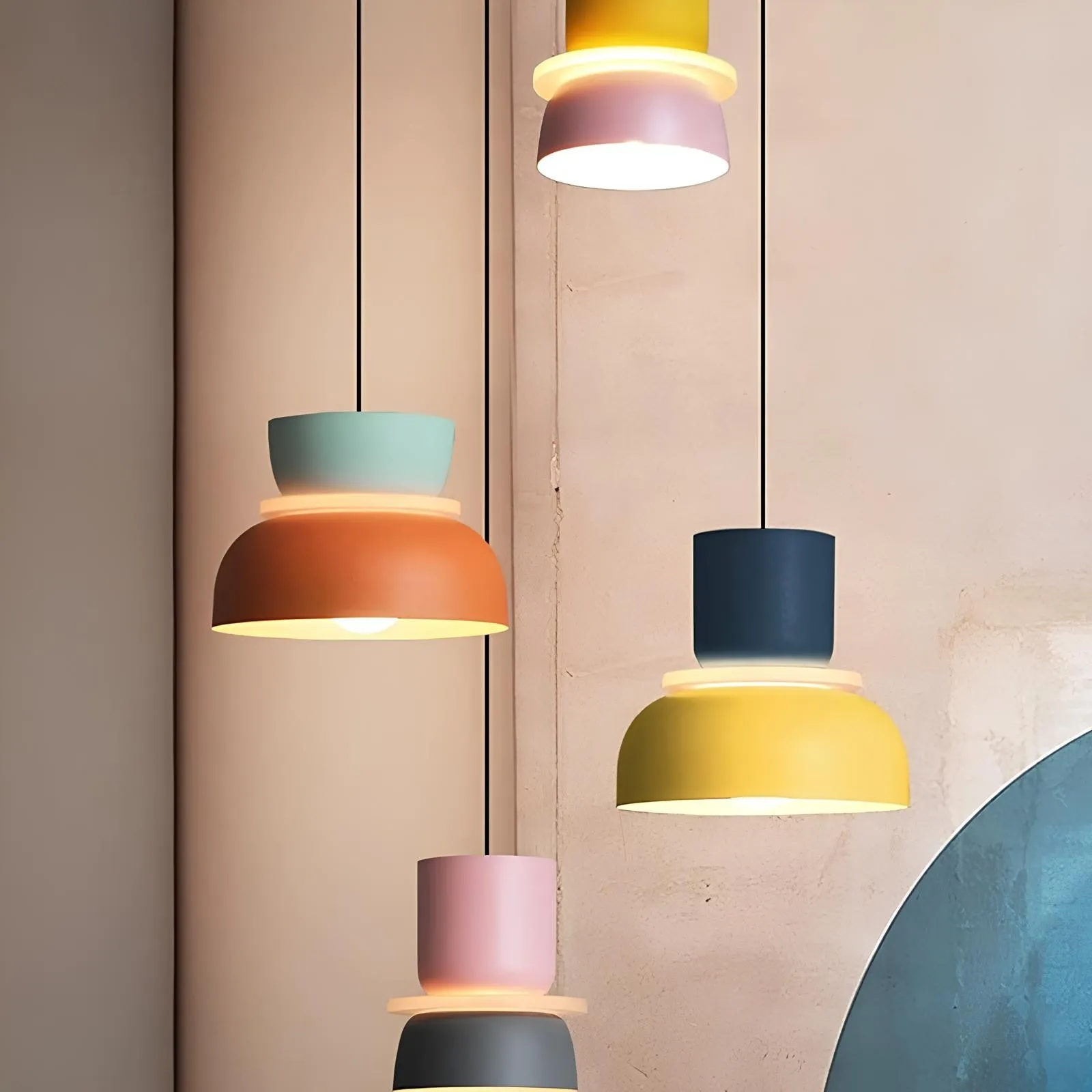
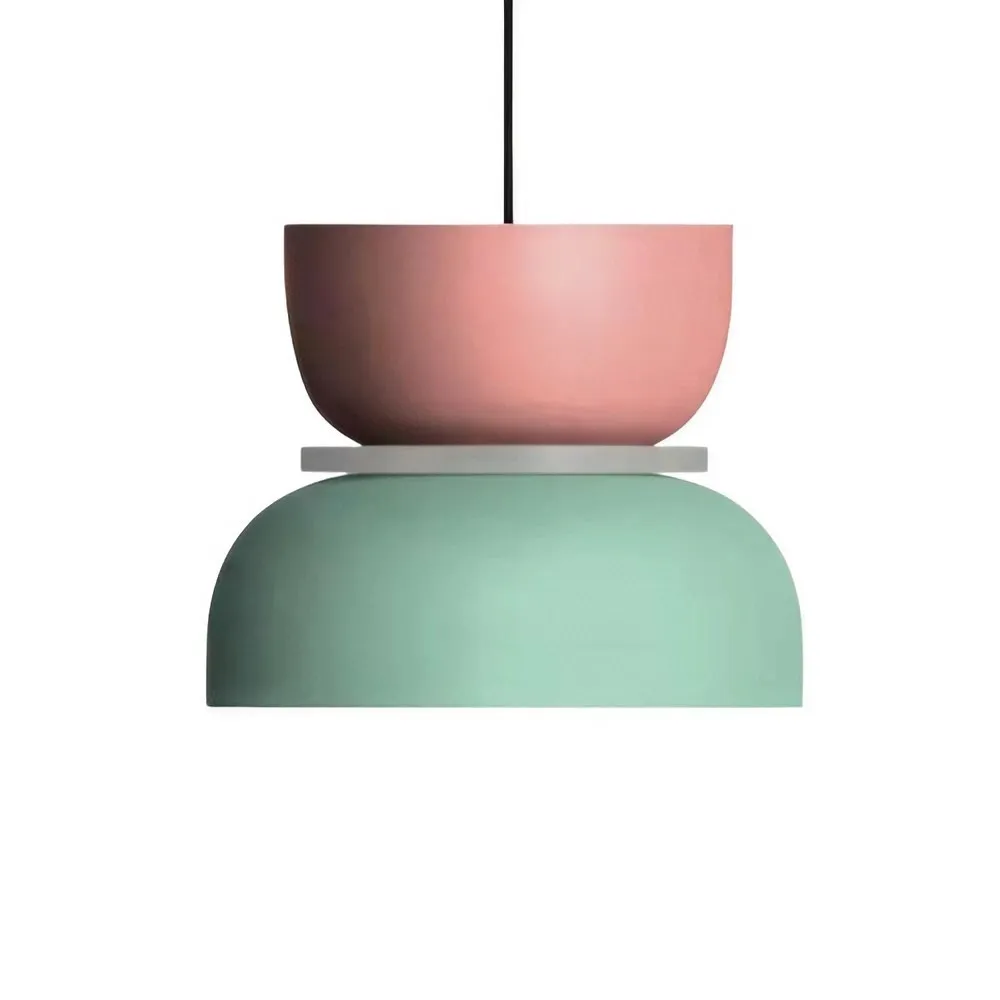
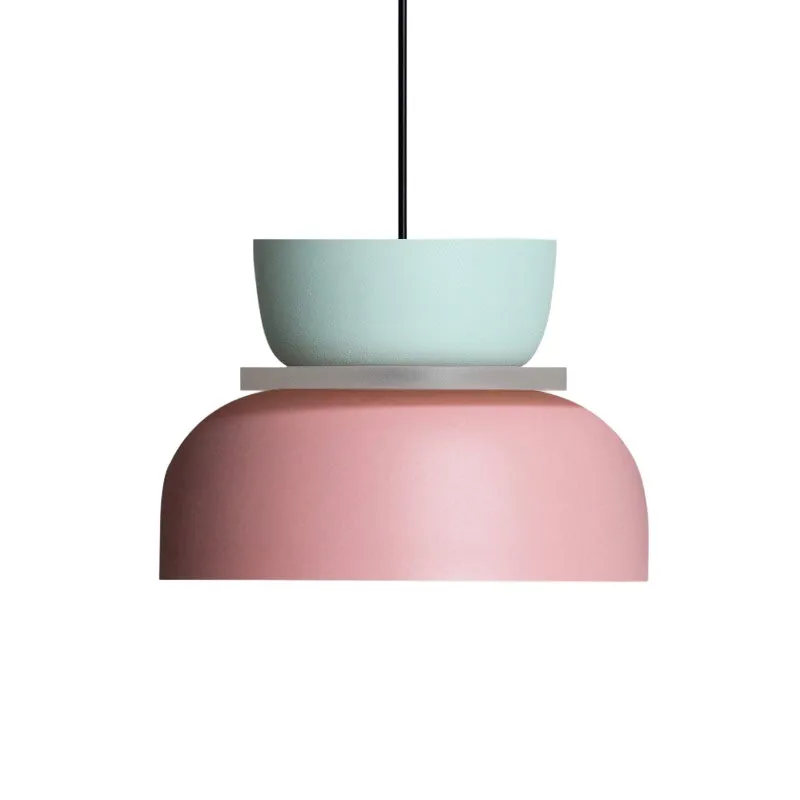
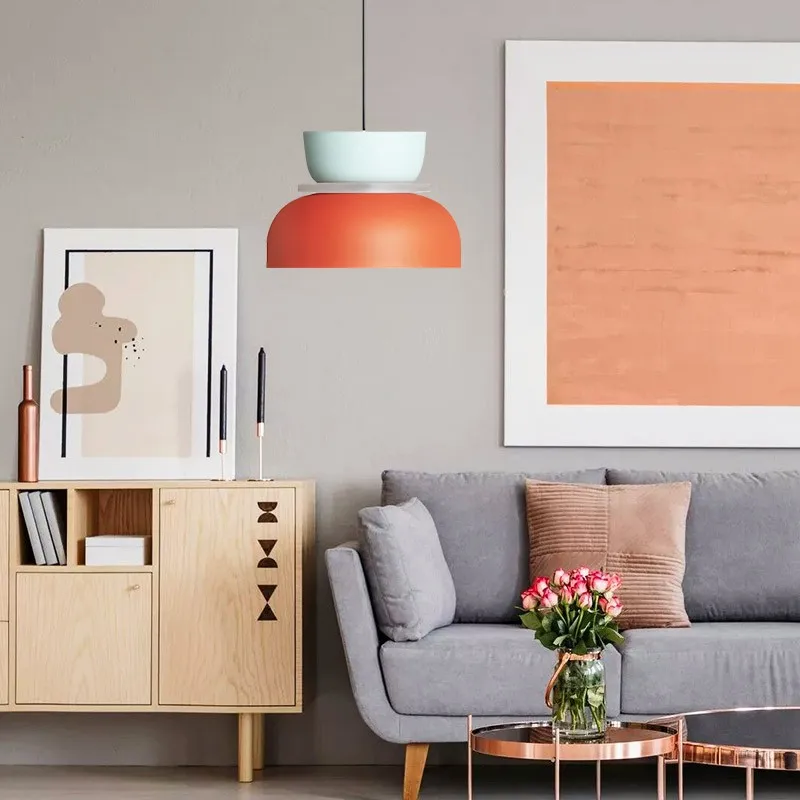
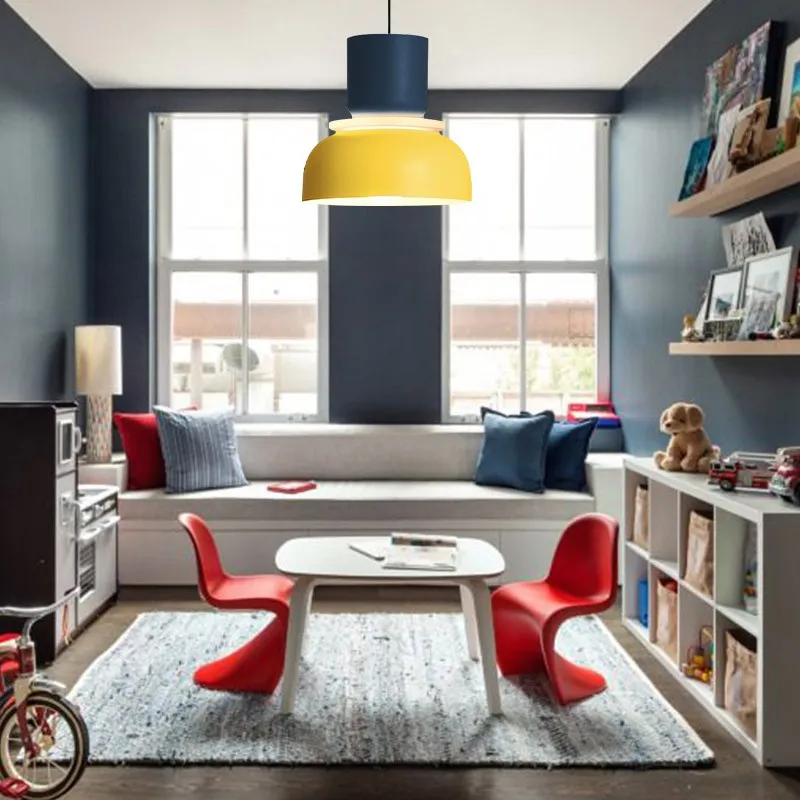
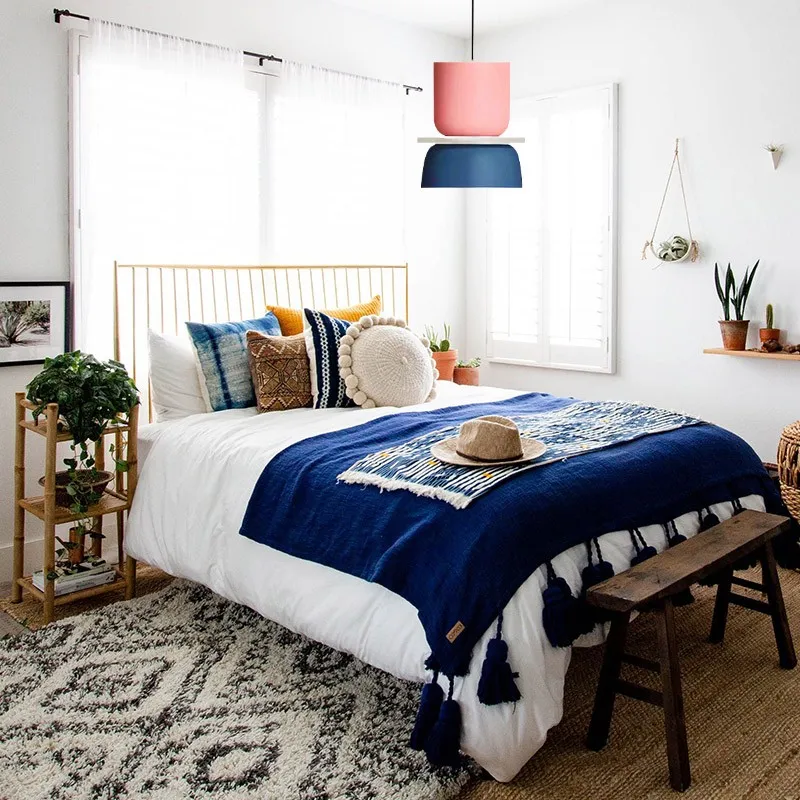
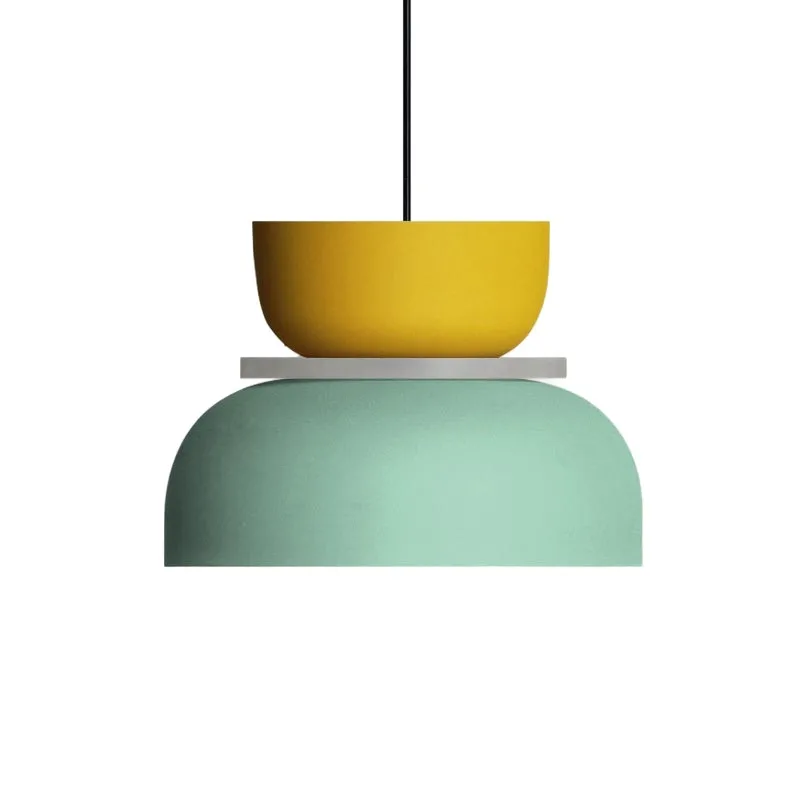
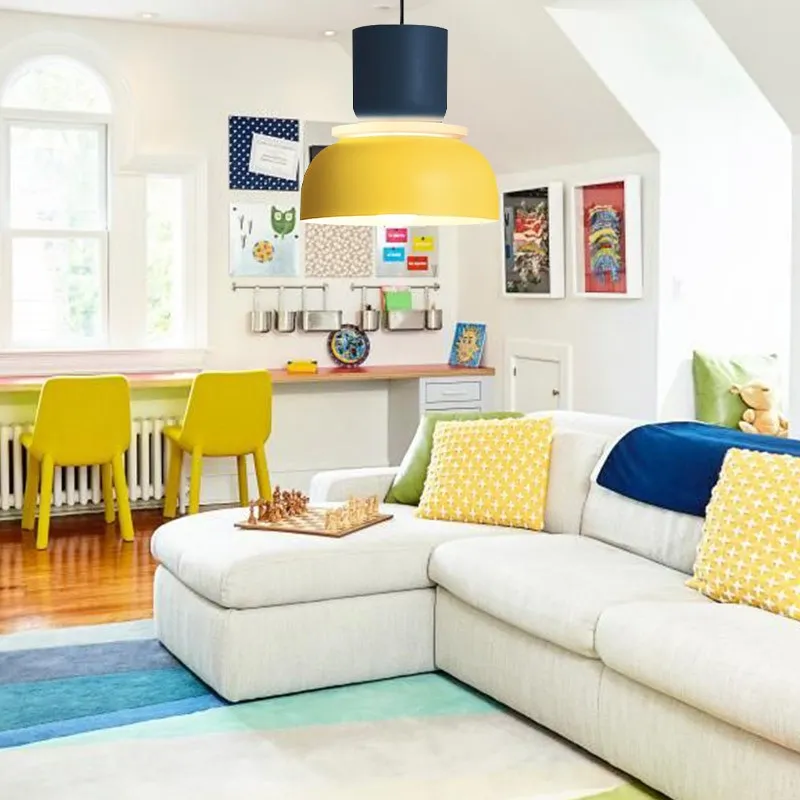
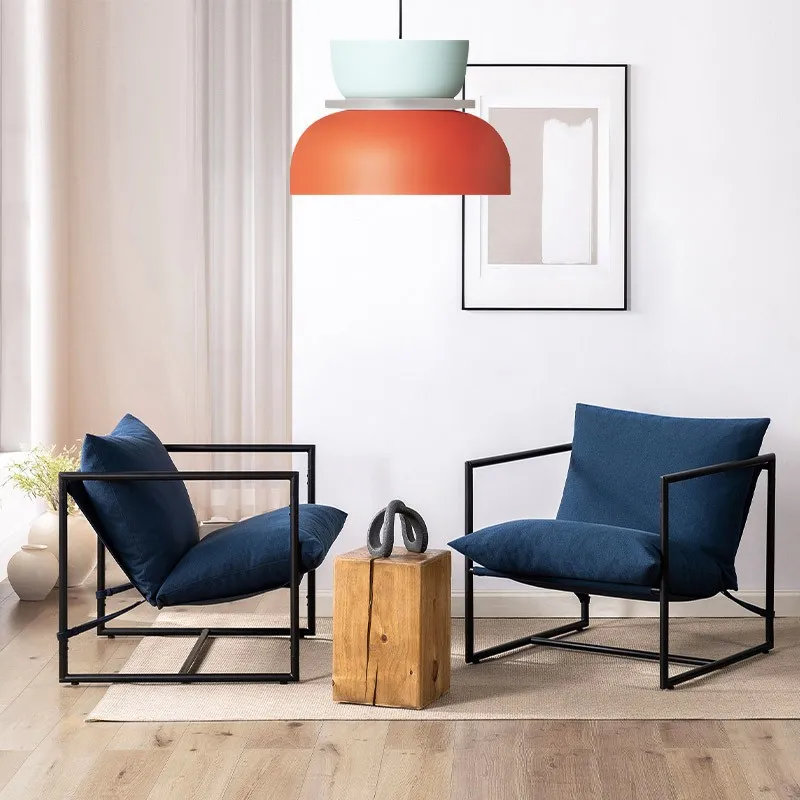
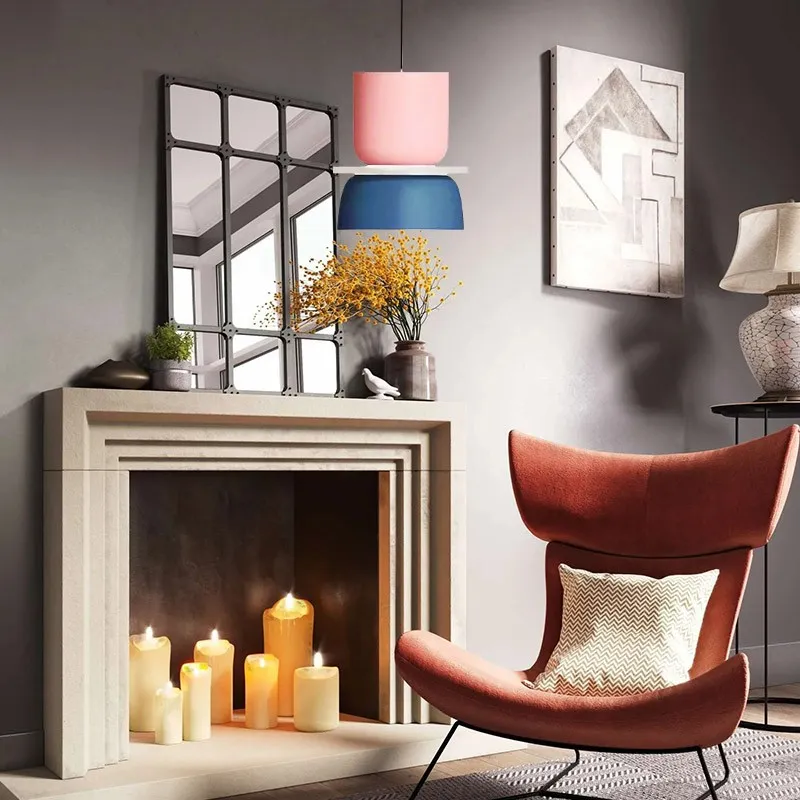
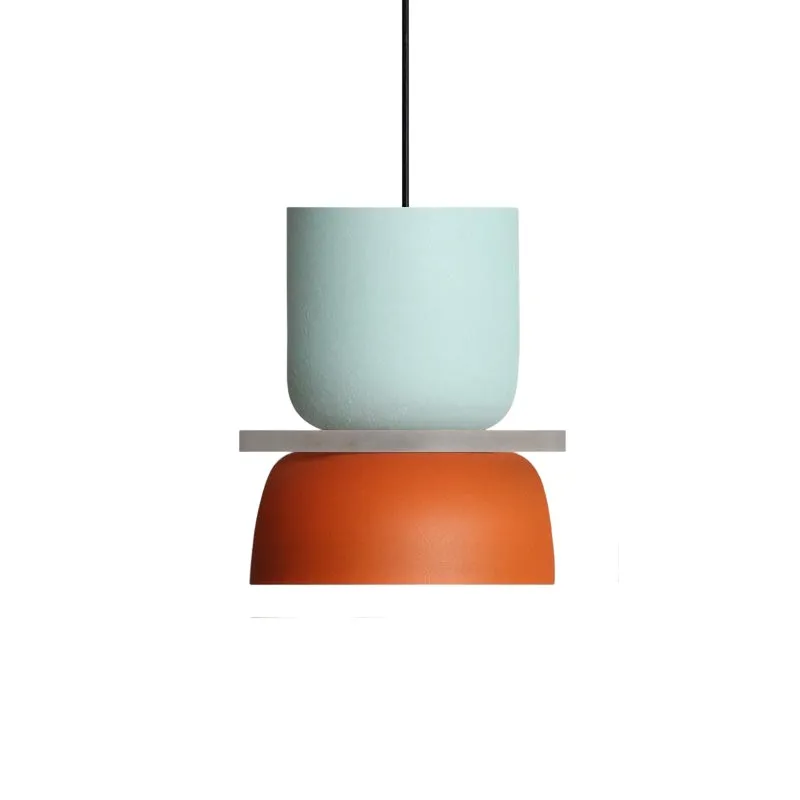
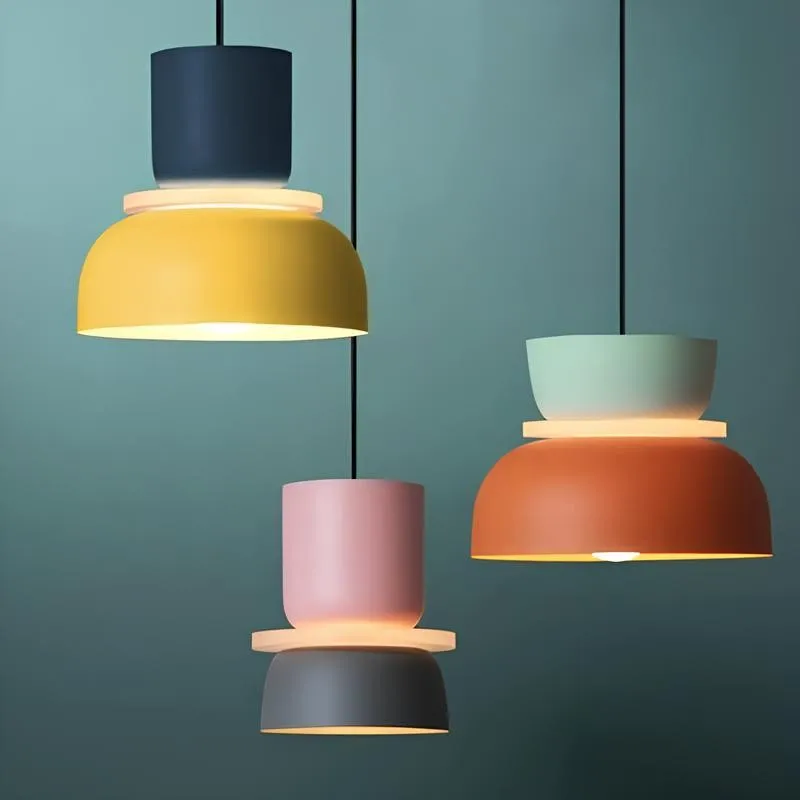
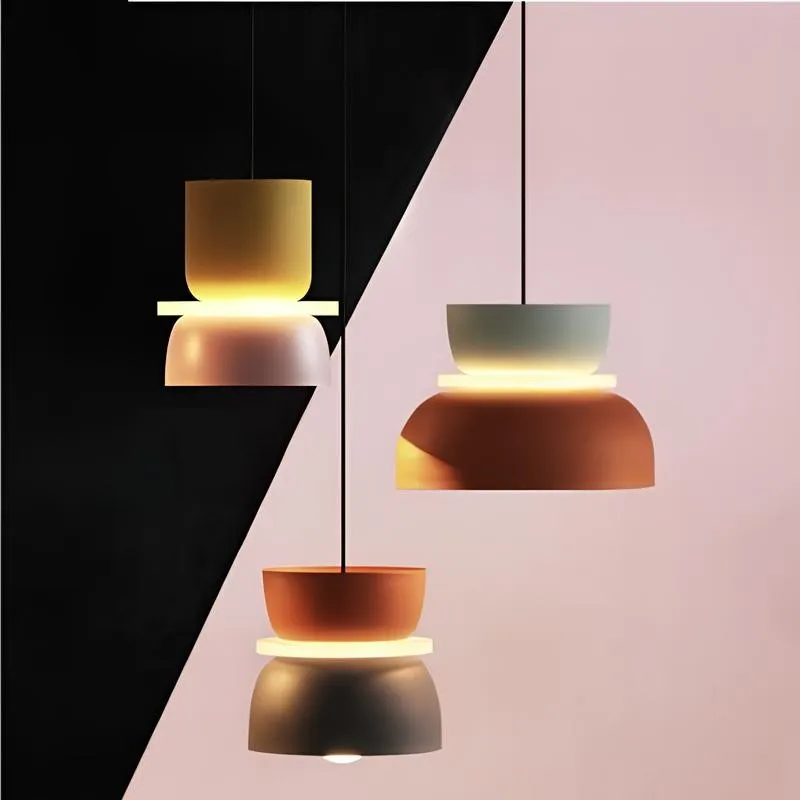
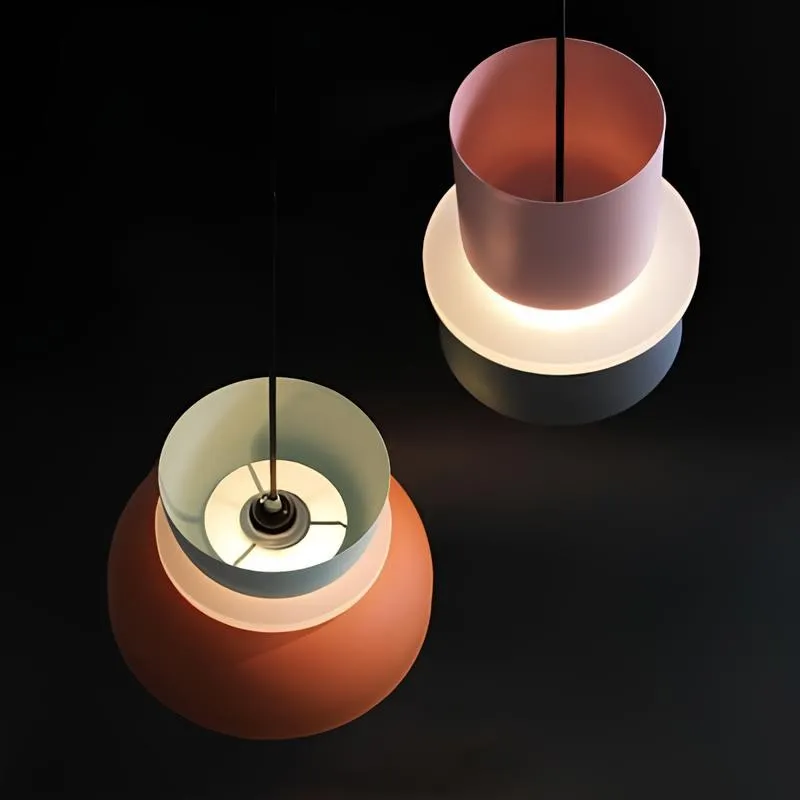
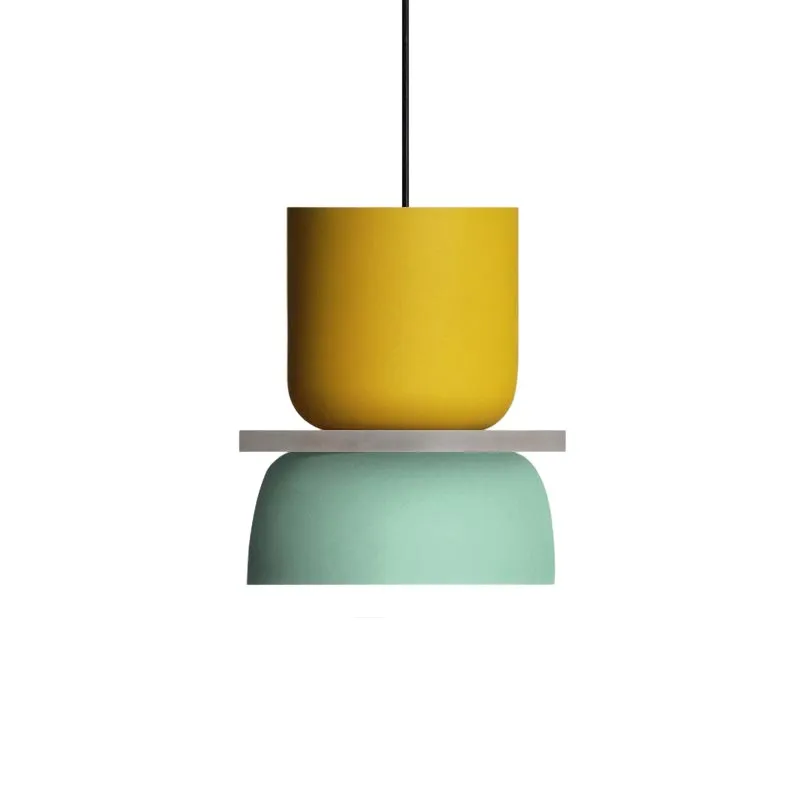
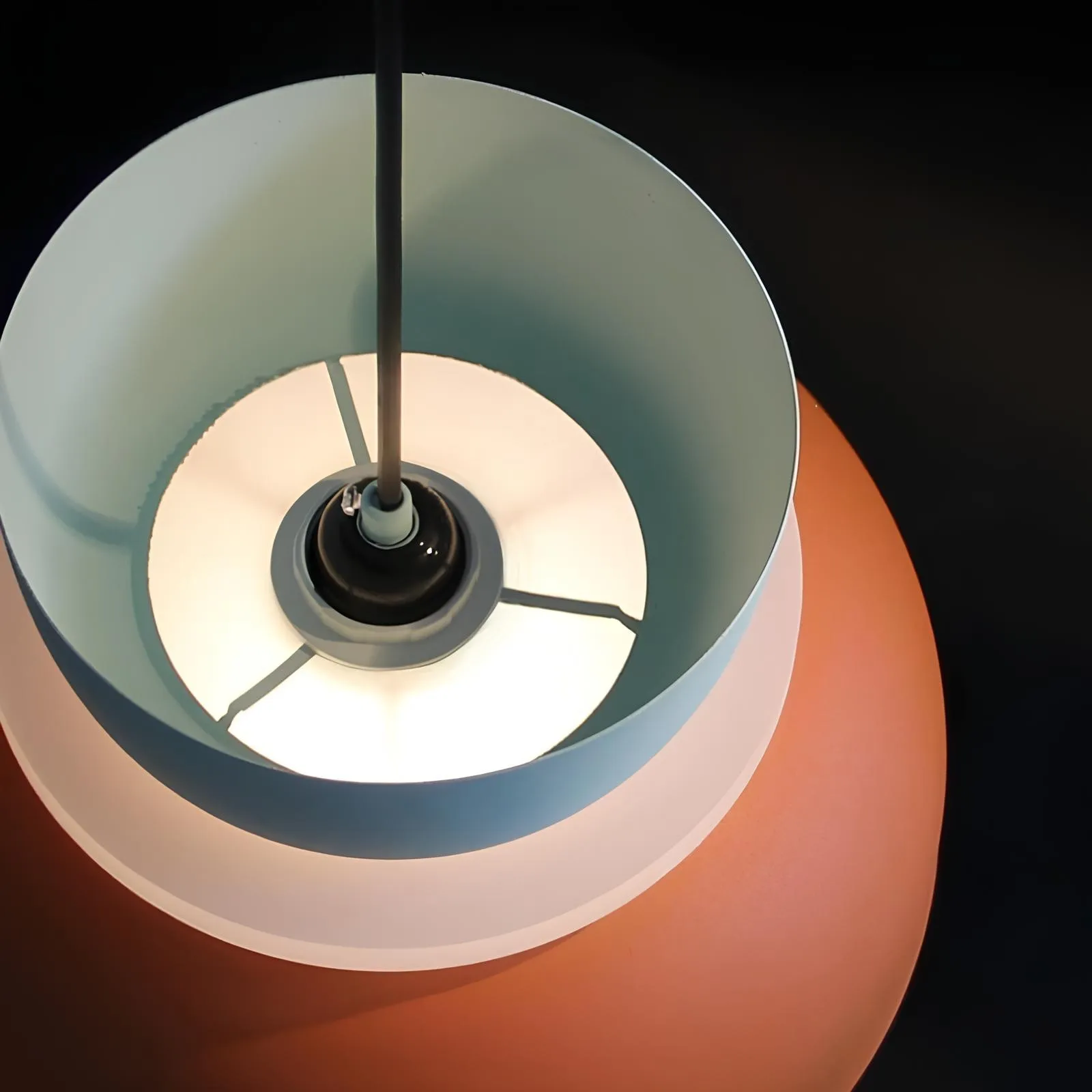
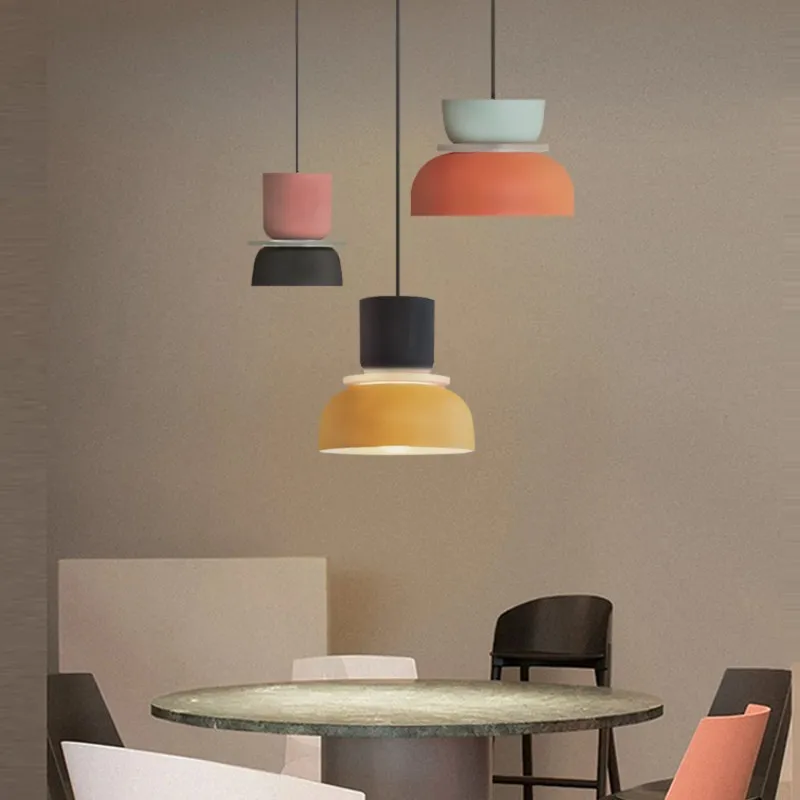
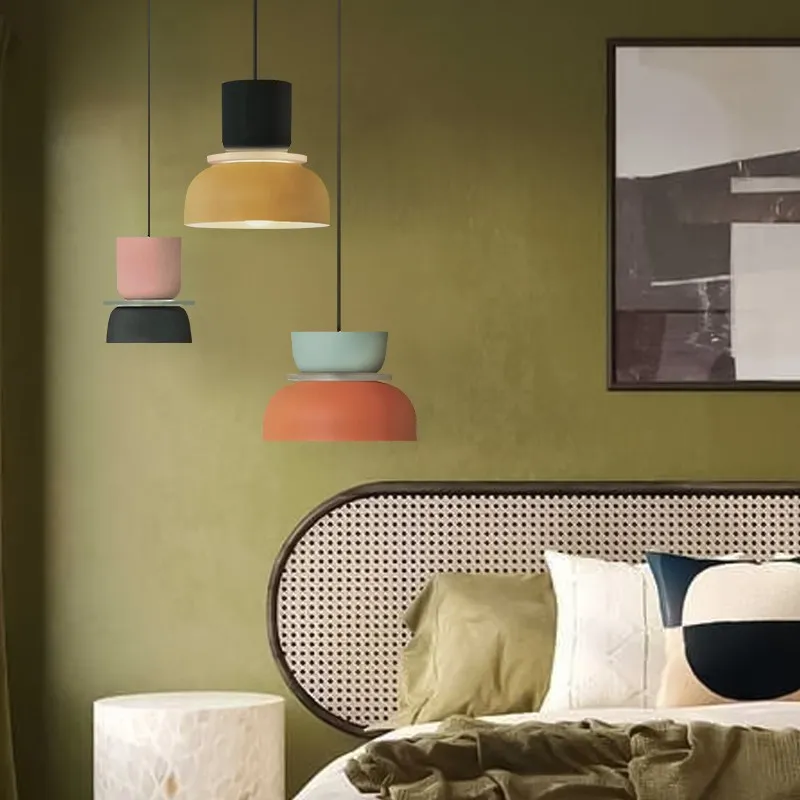
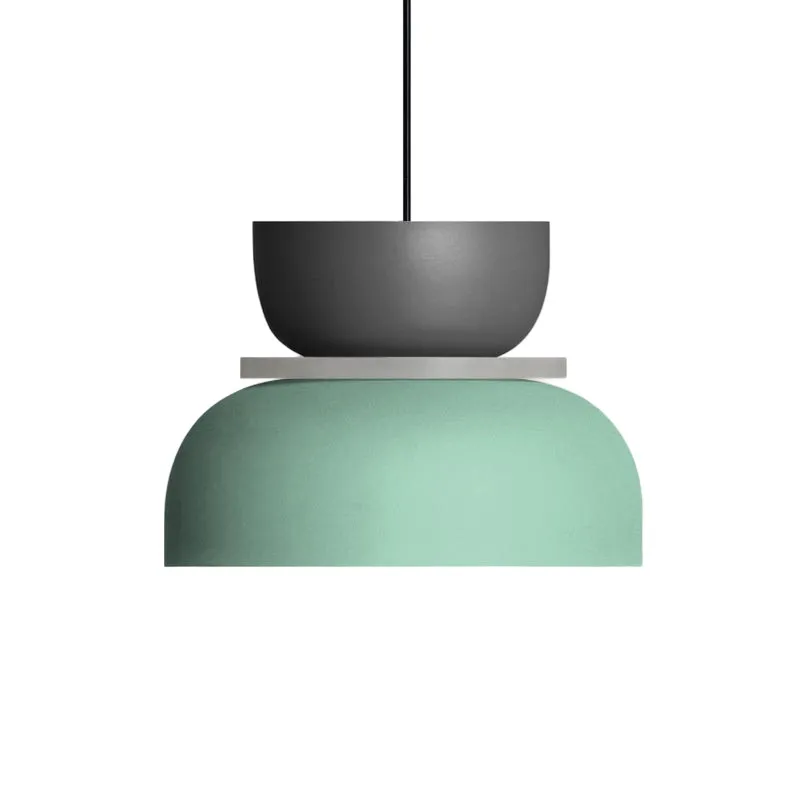
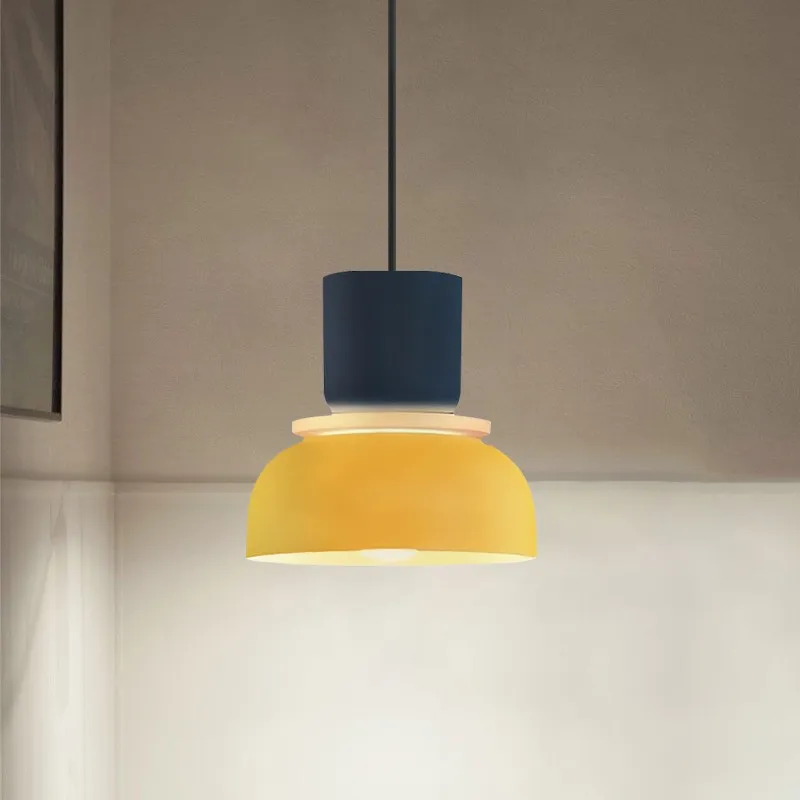
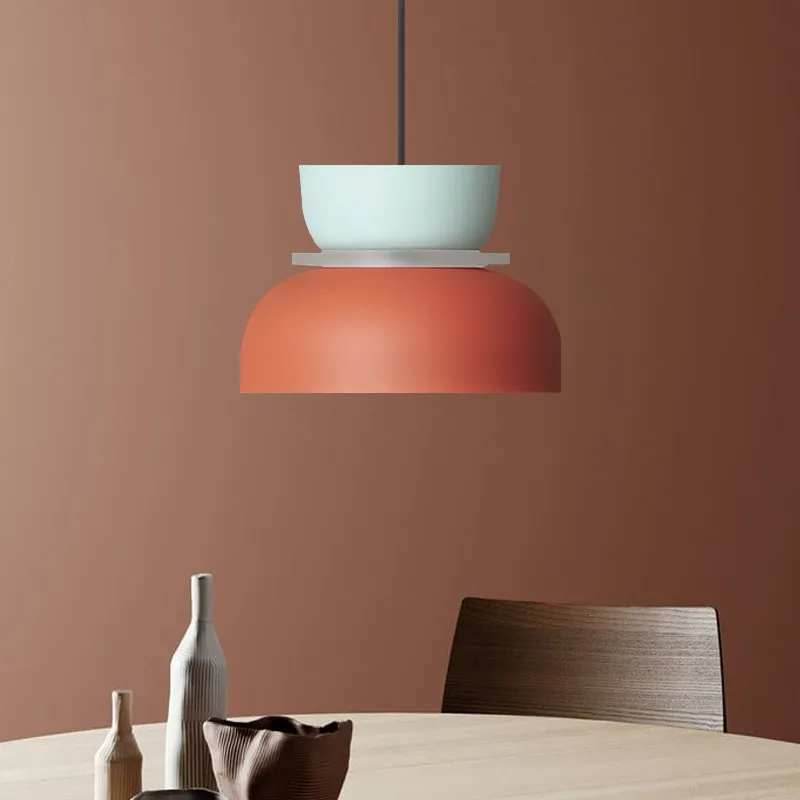
Before you order a fixture, compare the available drop with your measurement. The Macri Color Block Nordic Pendant Light has a 150 cm cable and can be extended on request, so it can be configured for both standard and taller European ceilings. It uses an E27 bulb (bulb not included), which also lets you choose a warm dimmable lamp for a softer evening setting.
A practical height range for real dining rooms
| Starting point | When it works | What to check |
|---|---|---|
| 70–75 cm | Most rectangular tables and rooms where the pendant is visually important | Check that the shade does not block the face of the person opposite you |
| 75–85 cm | Taller diners, a deep shade, or a table used for homework and serving | Confirm that the light still reaches the centre without excessive glare |
| 85–95 cm | Very open sightlines, a low-profile fixture, or a table beside a busy walkway | Use a brighter, well-diffused bulb and make sure the tabletop is not under-lit |
These ranges are starting points rather than promises. A shallow, open shade may sit lower without feeling heavy; a large opaque drum may need to rise several centimetres. If your table is unusually thick, measure from the actual finished surface, not the top of the base.
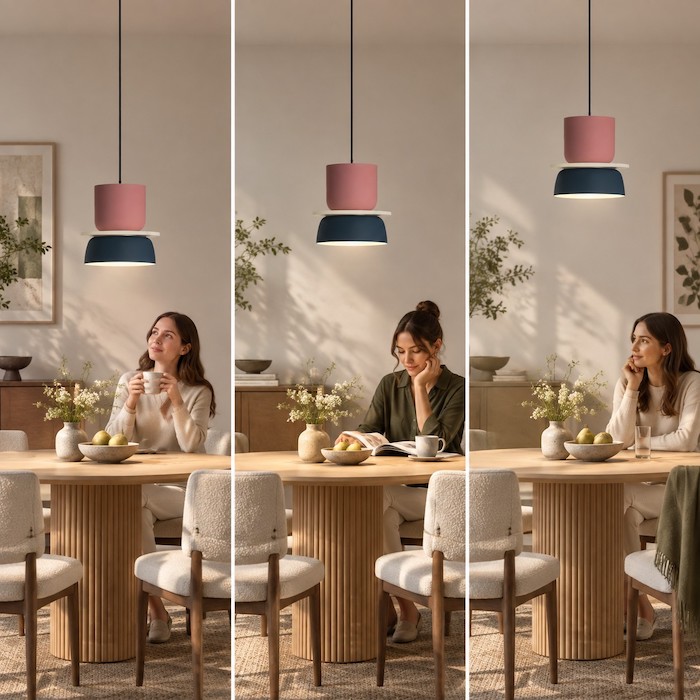
Adjust the number for the shape of your table
Rectangular and oval tables
Centre the pendant on the table, not on the room. For long tables, the fixture may be a linear pendant or a balanced group. Keep the lowest element within the same 70–85 cm starting range, then use the table length and bulb output to decide whether you need more than one light. The goal is an even pool of light with no dark ends.
If you are planning a similar decision over an island, see What Size Pendant Light Should You Choose for a Kitchen Island? That article covers fixture scale; this guide stays focused on the vertical relationship between a dining surface and the light.
Round tables
A single central pendant usually works best. Because every seat faces the centre, even a small height error is noticeable. Start near 75 cm and lower it in 2–3 cm steps only after checking the sightline from every chair.
Extendable tables
Set the pendant for the table’s everyday position, then test the extended position. If the extension moves the centre several centimetres, a ceiling hook or an adjustable canopy can prevent the light from appearing off-centre when guests arrive.
Use a temporary hanging test before drilling
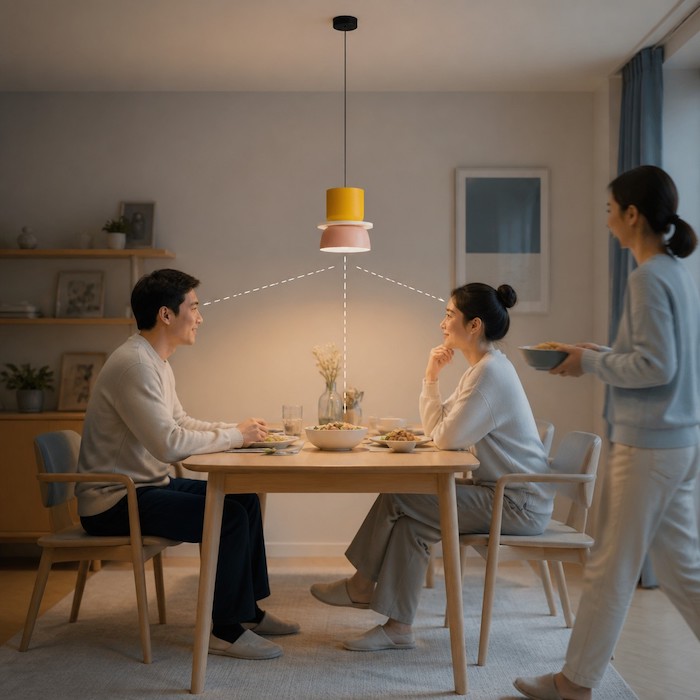
The most useful check costs nothing: hang a piece of cardboard, a paper lantern or the packed shade from a temporary hook at 75 cm. Sit in every usual seat, including the end seats. Ask someone to walk behind the chairs while you check whether the object feels intrusive.
- Look across the table at the eyes and shoulders of another seated person.
- Stand up and sit down without touching the temporary shade.
- Switch on the intended bulb and look for glare on glossy plates or glassware.
- Walk through the room carrying a serving dish; the pendant should not become an obstacle.
If the light feels too low, raise it 5 cm and repeat the test. If the table feels visually lost, lower it 3–5 cm. Small changes are easier to judge than trying to imagine the final position from a ladder.
For a full island layout, quantity and spacing are separate decisions. Use How Many Pendant Lights Over a Kitchen Island? A Spacing Guide for 1, 2 or 3 when that is the question, rather than borrowing an island spacing rule for a dining table.
When ceiling height changes the answer
In a room below about 240 cm, keep the tabletop distance near 70 cm and choose a compact or shallow fixture. A long drop can make the room feel compressed even when the measurement is technically safe. With a ceiling above 280 cm, do not automatically lower the pendant to fill the void. Keep the 70–85 cm table relationship and use a longer cable, a larger shade or additional wall lighting to give the upper room scale.
Sloped ceilings need a level canopy or a multi-point suspension. Measure the vertical distance at the table centre, not along the slope. If the electrical point cannot be moved, a ceiling rose with a swivel or an offset hook can keep the shade centred and level.
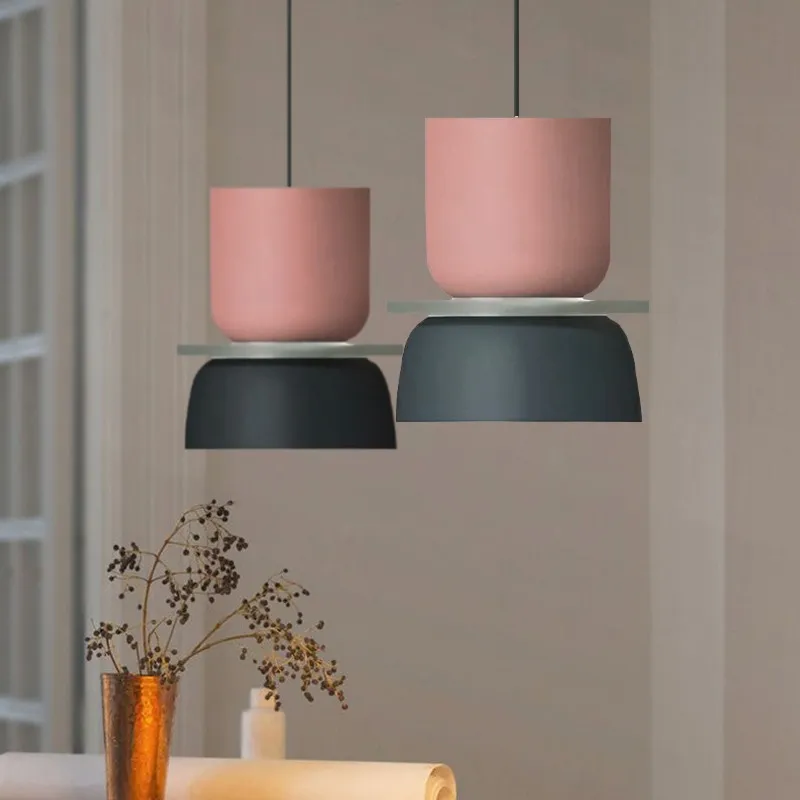
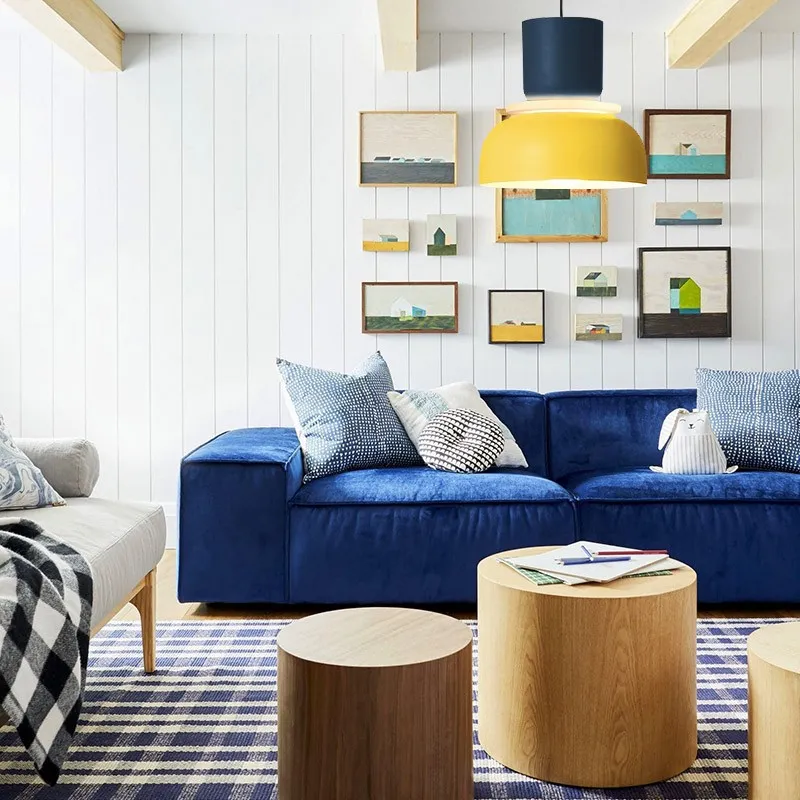
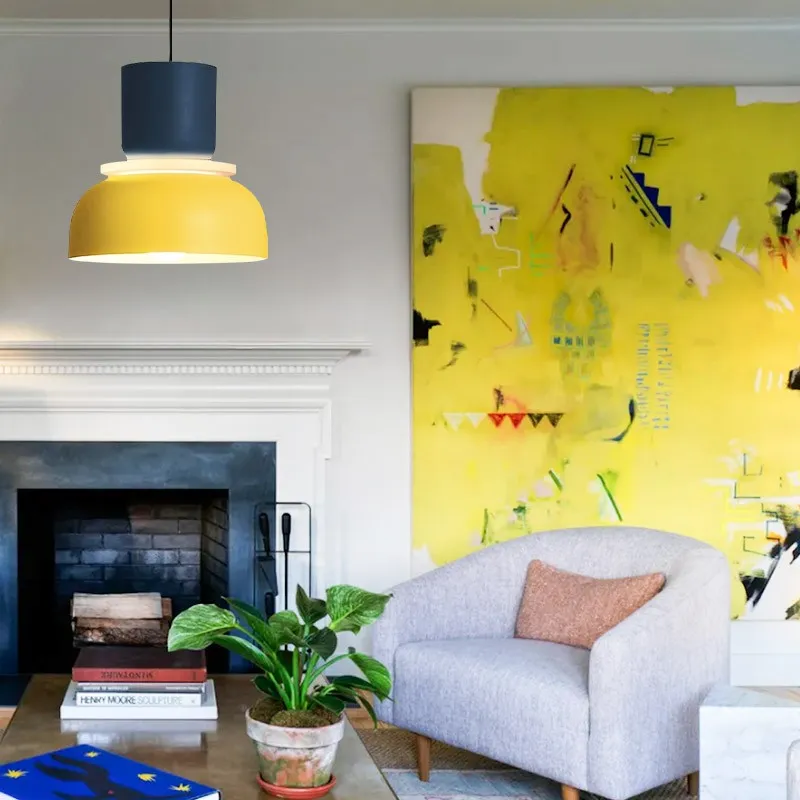
A fixture with a generous cable range makes these adjustments practical. The Macri’s 150 cm cable can be extended by request, and its three shade sizes (18 × 26 cm, 29 × 24 cm and 29 × 28 cm) give you a way to change visual weight without changing the basic height rule. Review the Macri dimensions and colour options alongside your own ceiling-to-table measurement before deciding.
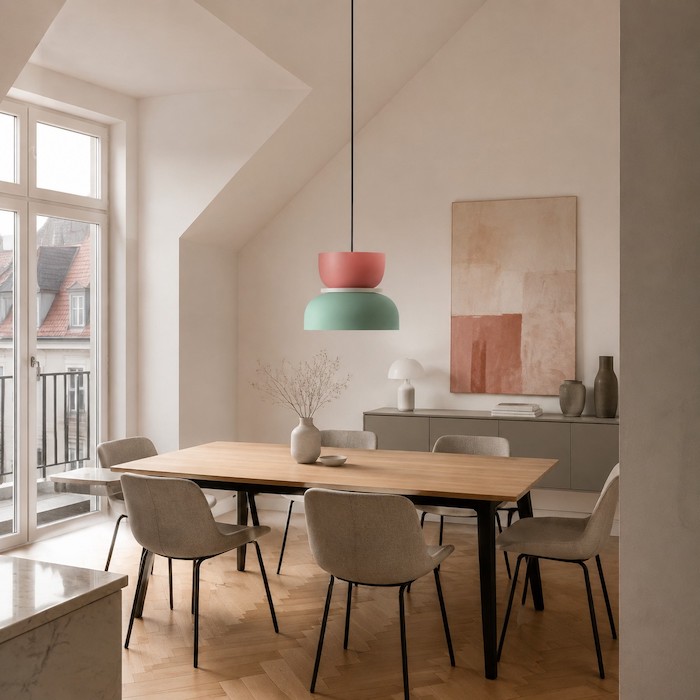
Light quality matters as much as centimetres
Height controls where the light lands, but the bulb controls how comfortable the room feels. For relaxed meals, a warm-white LED around 2700–3000 K is usually easier on the eyes than a cool, blue-white lamp. Choose a diffused bulb when the filament is visible from seated eye level, and check the fixture’s maximum wattage before buying.
An E27 pendant is useful when your needs change: you can start with a soft 2700 K bulb for dinner, then switch to a brighter model when the table doubles as a work surface. If you use a dimmer, confirm that both the bulb and the dimmer are compatible. For a concise explanation of Kelvin and colour temperature, see the Wikipedia reference. A pendant should support the room’s other layers, not carry every lighting task by itself.
Common mistakes that make a correct number feel wrong
- Measuring to the bulb instead of the shade bottom: use the lowest visible or touchable point.
- Ignoring the shade diameter: a wide opaque shade needs more visual breathing room than a narrow open one.
- Centred on the ceiling box: centre on the table; older rooms often have an off-centre electrical point.
- Testing from one chair: check the end seats and the standing path behind the table.
- Choosing a cool bulb to compensate for height: fix the position first, then tune brightness and colour temperature.
FAQ: questions people ask before installing a dining pendant
Is 60 cm above a dining table too low?
It is lower than the usual 70–85 cm starting range. It can work with a very shallow, open fixture and a low-traffic room, but test every seat carefully for blocked faces, glare and head clearance before fixing the canopy.
Should a pendant be higher for tall people?
Usually only slightly. Raise the starting point toward 80–85 cm if several diners are tall or if people frequently stand while serving. A temporary test is more reliable than adding a large adjustment based on one person’s height.
How high should a pendant hang over a dining table with an 8-foot ceiling?
Begin at about 70–75 cm from tabletop to shade bottom. With a standard table, that often leaves a comfortable overall floor clearance while keeping the pendant connected to the dining area.
Can I hang a pendant lower if it is dimmable?
Dimming reduces brightness, but it does not remove a blocked sightline or a collision risk. Set the physical height first, then use a compatible dimmer to tune the evening light.
Where should the pendant sit if the ceiling outlet is off-centre?
Centre the fixture over the table. An electrician can relocate the point, or you can use a rated hook and a tidy canopy solution designed for the ceiling type. Do not leave a heavy fixture suspended from an improvised hook.
A confident final check
Start at 70–85 cm, test the actual shade from every seat, then adjust in small steps for sightlines, traffic and light quality. That process gives you a result that feels intentional in your room, not merely compliant with a generic rule. When you are ready to compare a configurable E27 option, see the Macri pendant’s verified sizes, cable length and finishes and match them to the measurements you have just taken.